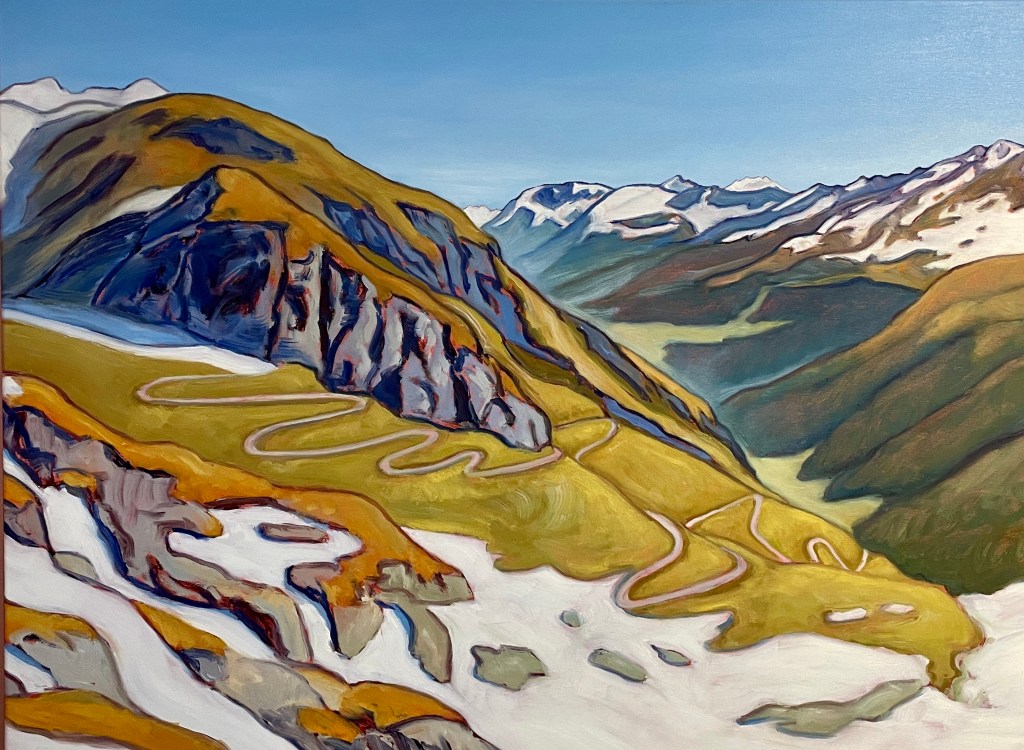
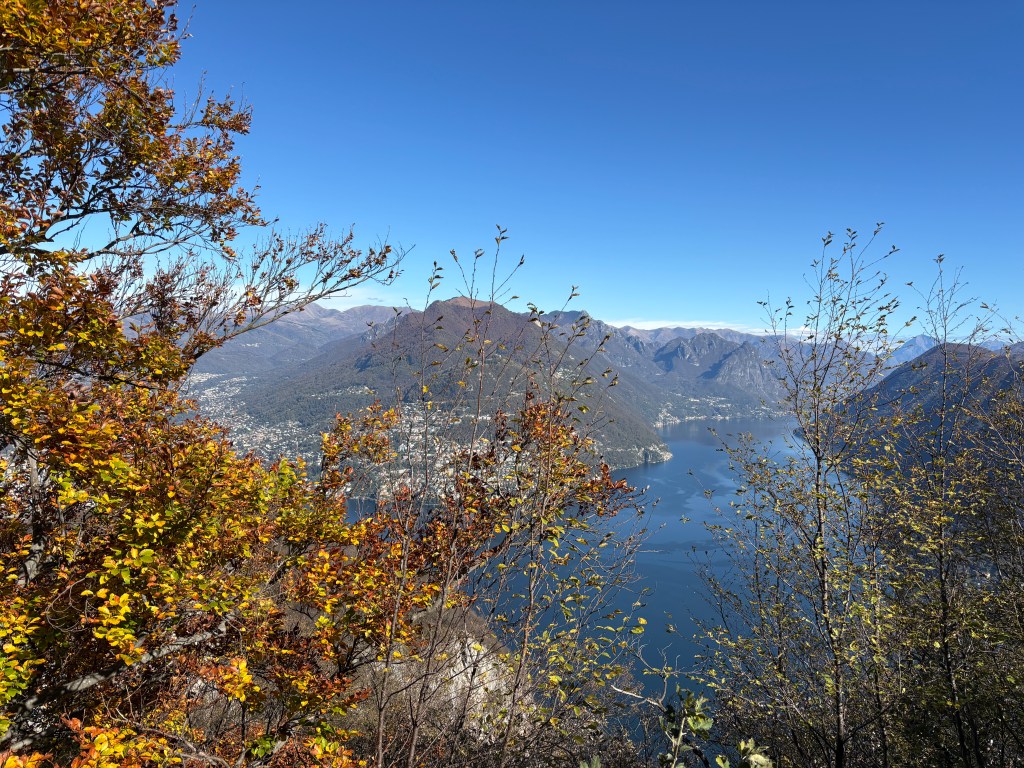
Autumn is quickly approaching in Ticino, the southernmost canton of Switzerland. This year, the season brings a whole lot of travel (which I love) and even a wedding! As I start to settle in to my new home, I’m taking every opportunity to explore and meet my new colleagues. When I was invited to join an expedition to the St. Gotthard Pass, I jumped at the chance.
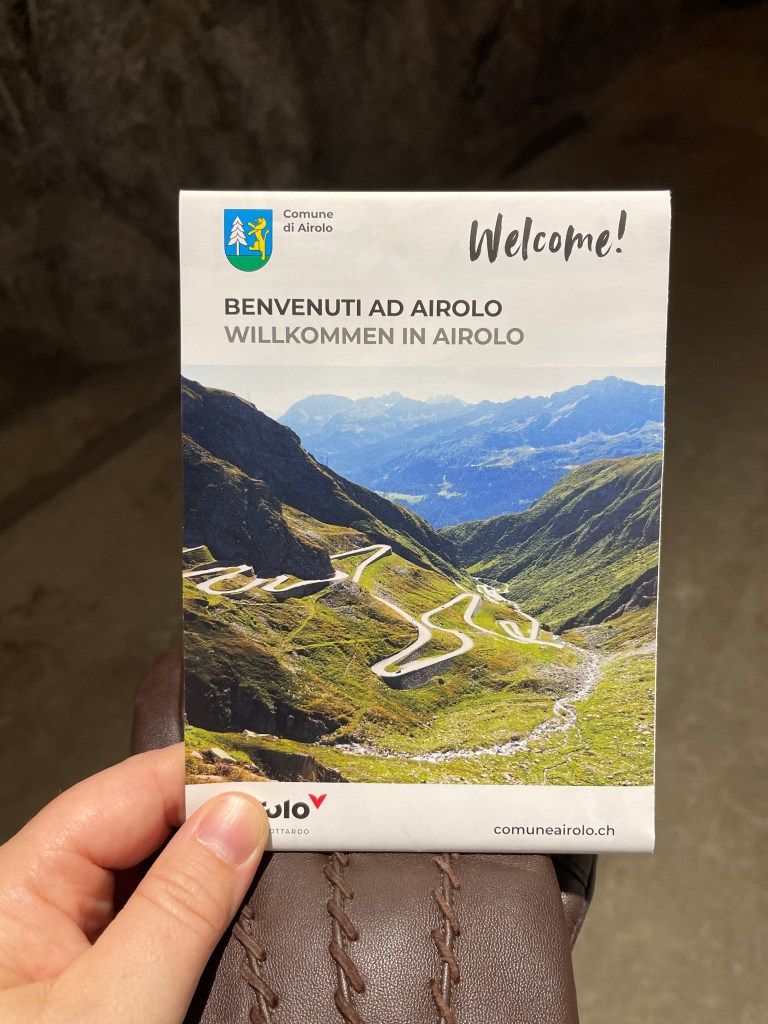
Known for its wintery conditions and winding switchbacks (see the painting above), this peak in the Alps is the very source of the Rhine, Rhone, Reuss, and Ticino Rivers. It also played a strategic part in the protection of Switzerland during WWII. While the Nazis sent trains of supplies from Germany down to Italy through the pass, the Gotthard military fortress proved to be a deterrent to the Axis nations, leaving Switzerland unoccupied.


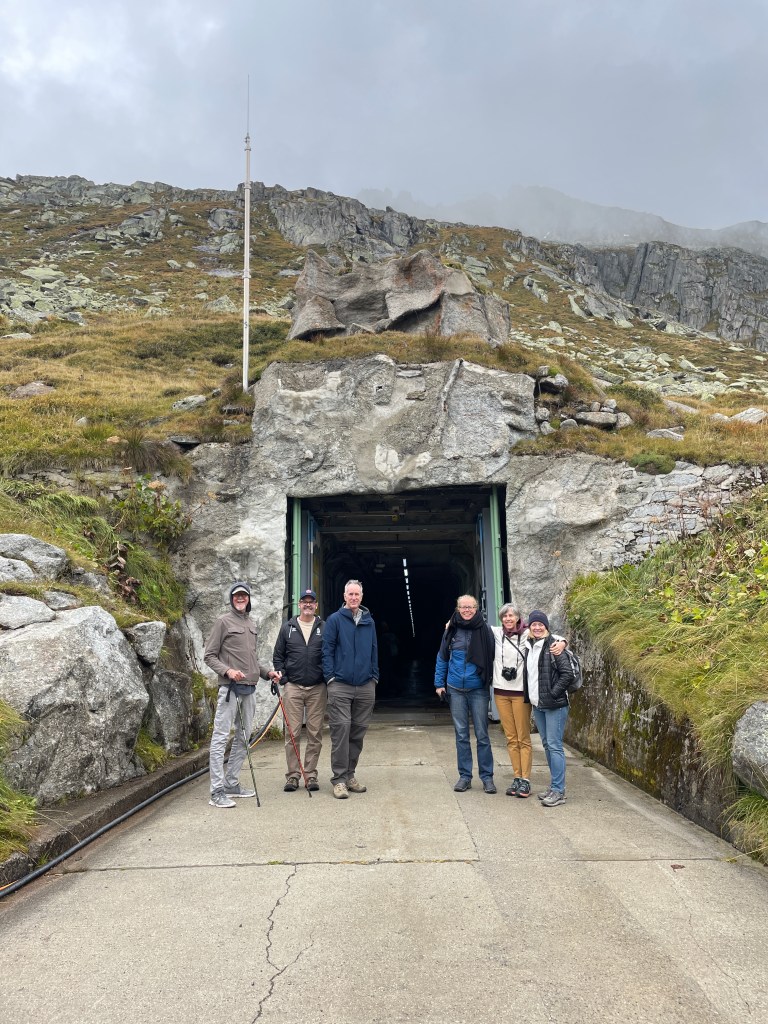
Carved into the granite rock bed, the fortress is today known as the Fondazione Sasso San Gottardo. My colleague had booked a tour and we were lucky enough to land the director of the museum as our guide. A former cannoneer, our guide shed great light on what one might expect living underground.


Built between 1941 and 1945, the bunker fortress housed up to 500 men at one time and could store enough food to be self-sufficient for up to six months. I was particularly impressed with this model of a fire brigade member (above right). The cart he carries had to fit into the narrowest of passageways in case of emergency.
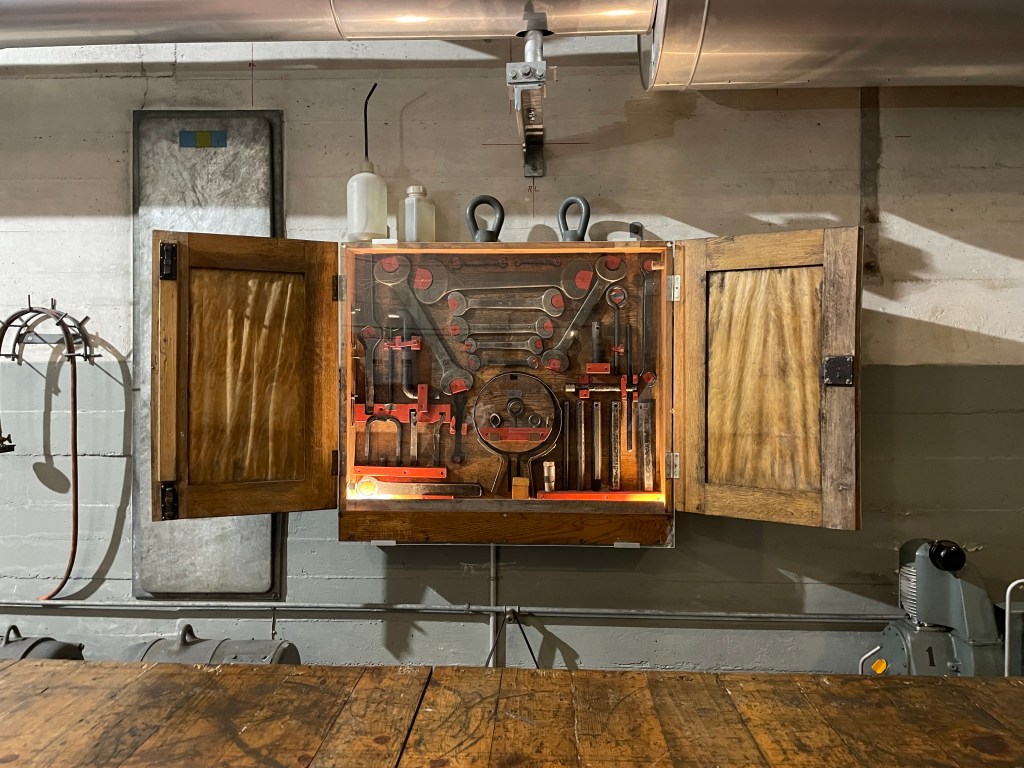

We spent nearly three hours touring the facility, walking just over three miles underground. You might be wondering if anyone felt claustrophobic during this time. Honestly, the fortress felt fairly spacious. There was an interesting illusion as we climbed a passage between major sections at such a gentle incline that we did not realize we had ascended the height of a six storied building in mere minutes, seemingly effortlessly.
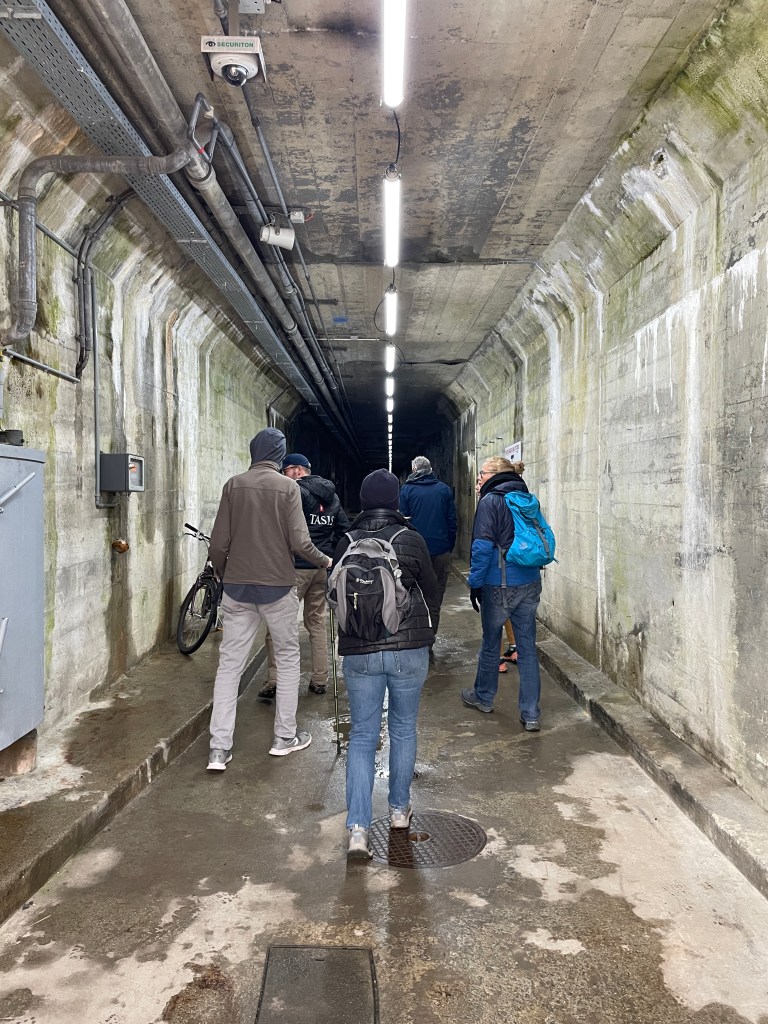
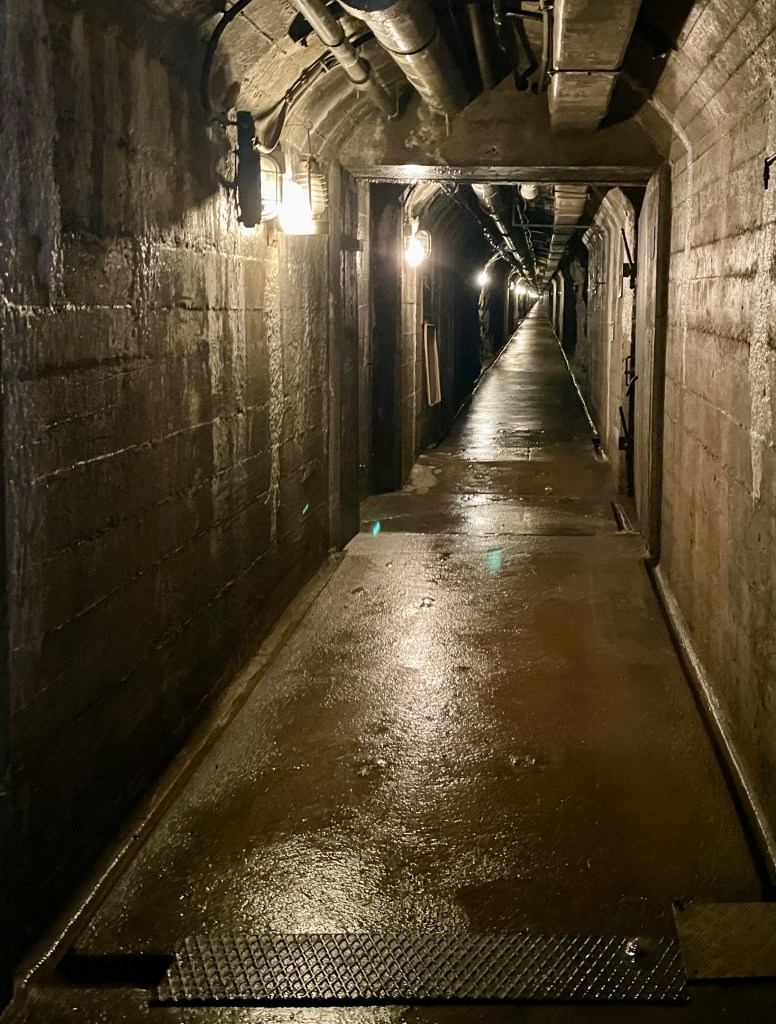
Hailing from New England, I recognized the granite of the passage walls with the telltale signs of rods for blasting. Our guide assured us that the mountain is always moving but somehow the tough rock reassured me (that, and the Swiss penchant for safety – something sadly lacking in my last few countries of residency).
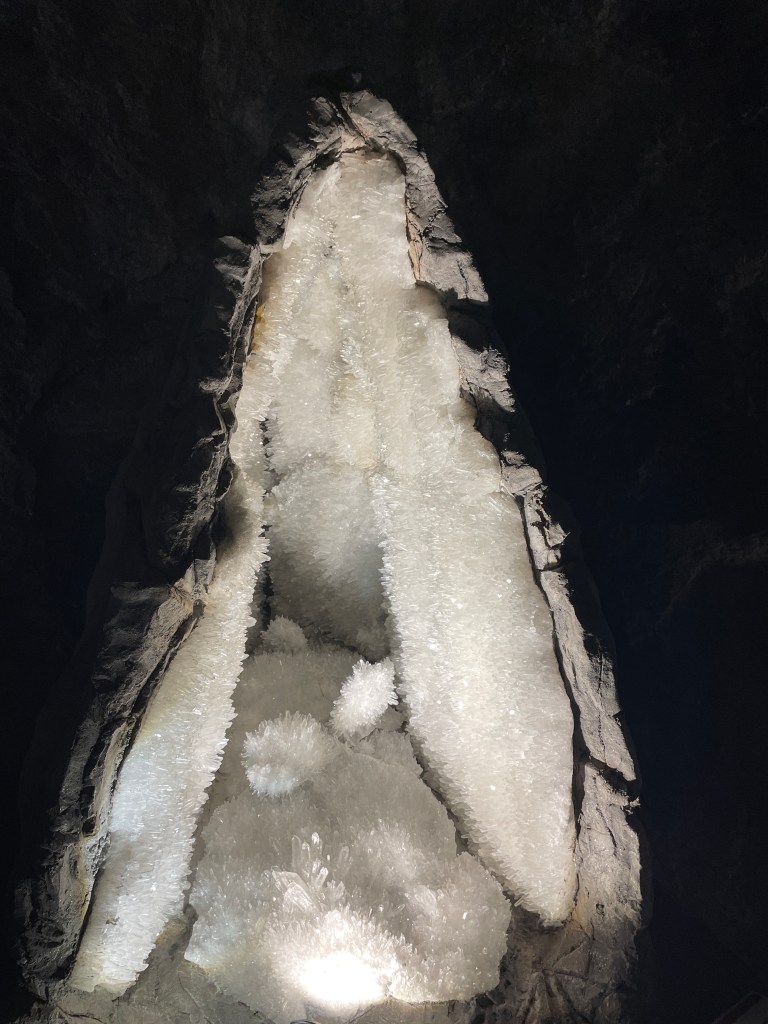

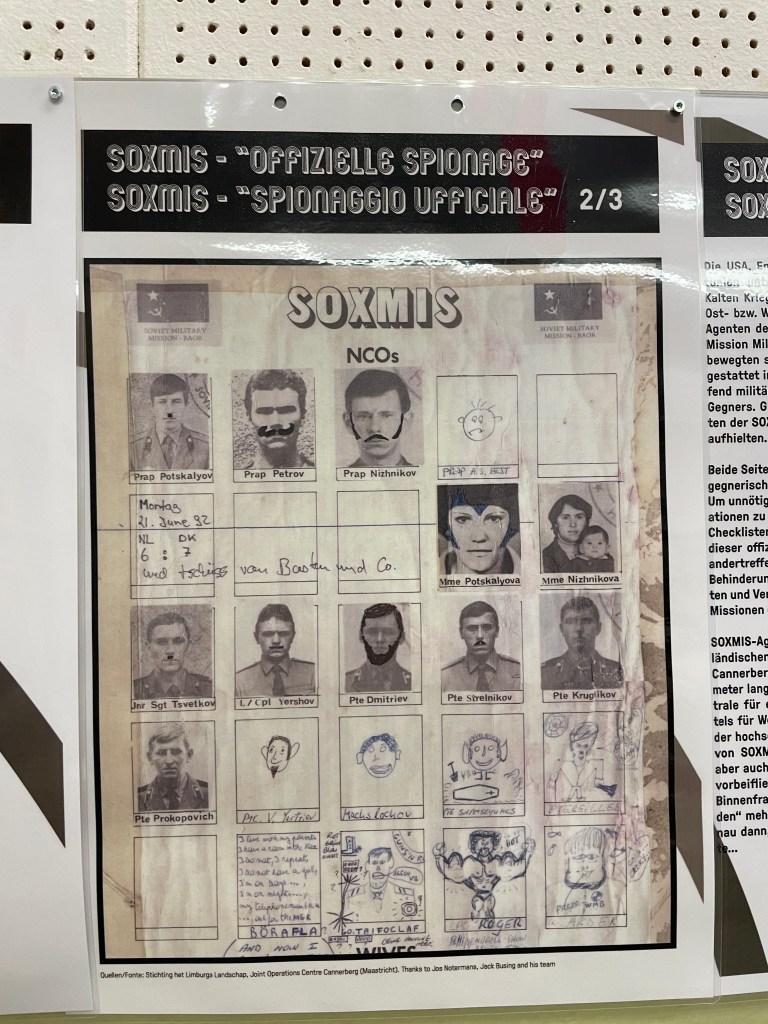
We toured bunk rooms, museum exhibitions, and scientific displays of geodes. They had a specific room dedicated to the threat of the USSR – those Victory Day parades in Red Square looked quite familiar – and I enjoyed the doodles on the faces of comrades of note.

Interestingly, a connection to the Lone Ranger lies in them there hills. William Tell (of apple shot fame) is credited as father of the Swiss Confederacy. An expert mountaineer, Tell was born in Altdorf, at the mouth of the Gotthard Pass. The writer Goethe stayed in this town many times and told Friedrich Schiller about his experiences. Schiller then determined to write about Tell.

Still with me? It was Schiller’s stirring words which inspired composer Gioachino Rossini to write the William Tell Overture in 1829. How the composition made its way from a debut at the Paris Opera to American TV sets in the 1950s is unknown. But it’s a fun connection.

Anyways, we needed all the overture we could get as my brave colleague John took us down the 24 cobblestoned switchbacks of the two mile road. Incredibly, dozens of people were biking up as we rode down, at nearly 7000 feet altitude, causing me to both question their sanity and stare in awe.

It’s slightly less dramatic (but maybe not for claustrophobes) to drive under the Gotthard Pass through the 11-mile long tunnel. That may or may not have been the location of my first ever international speeding ticket but that’s a story for another day…


 SwissMissMeg
Leave a comment