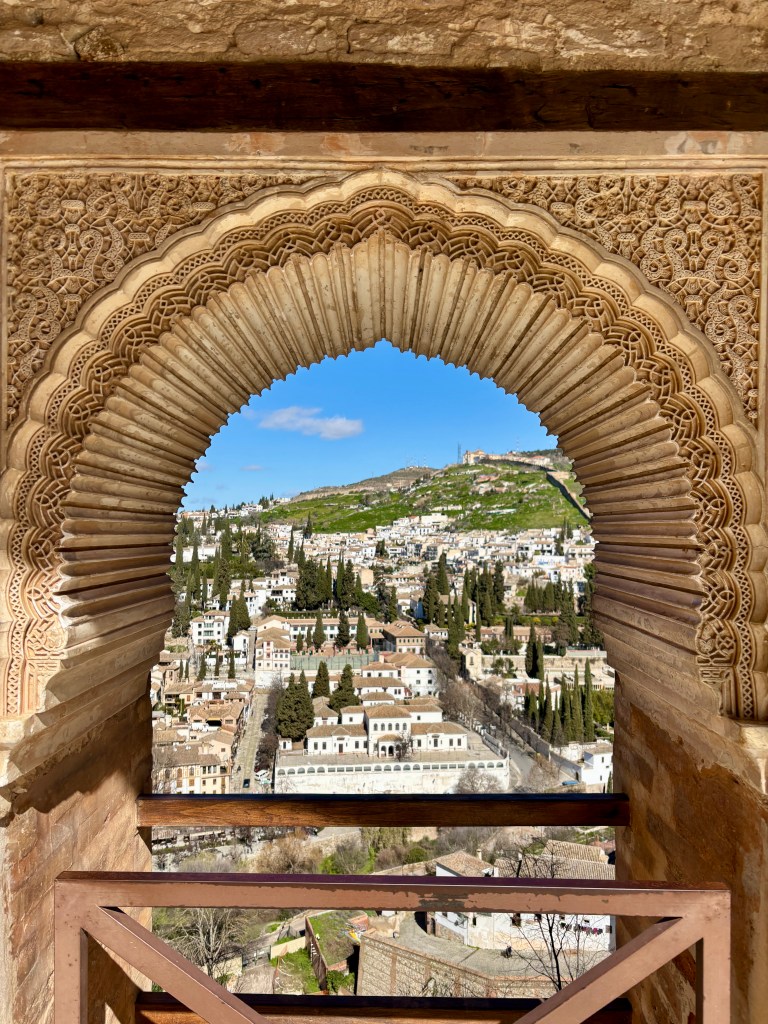
My last visit to Spain was the summer of 2010. Kate, my college roommate, and I spent a few days in Barcelona exploring Gaudi’s surreal architecture and soaking in the Catalan vibes along the Mediterranean. Sometime in the ensuing years, I grew determined to see the Alhambra in Granada. When a long weekend in February and a direct flight to Malaga beckoned, I answered.
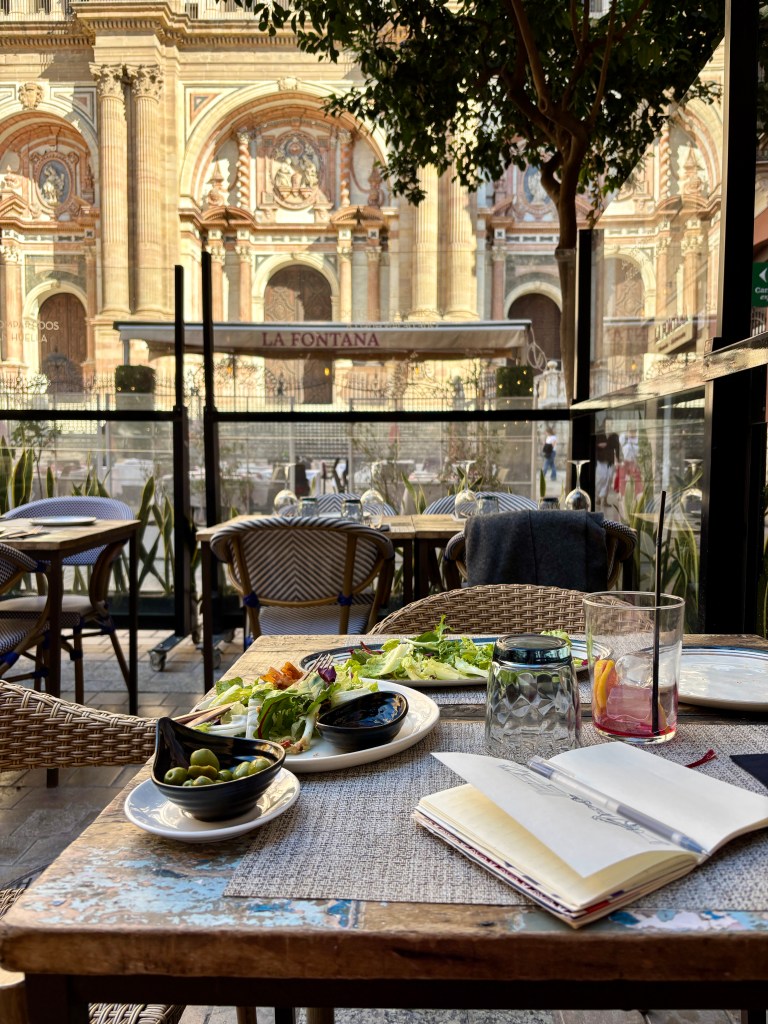
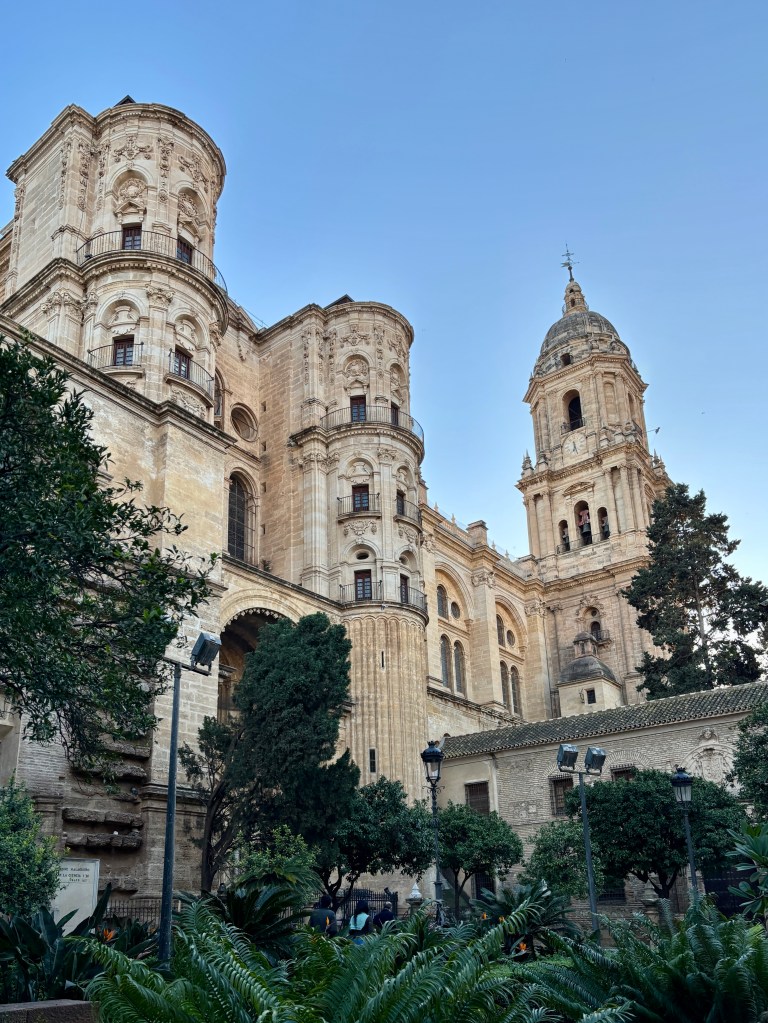
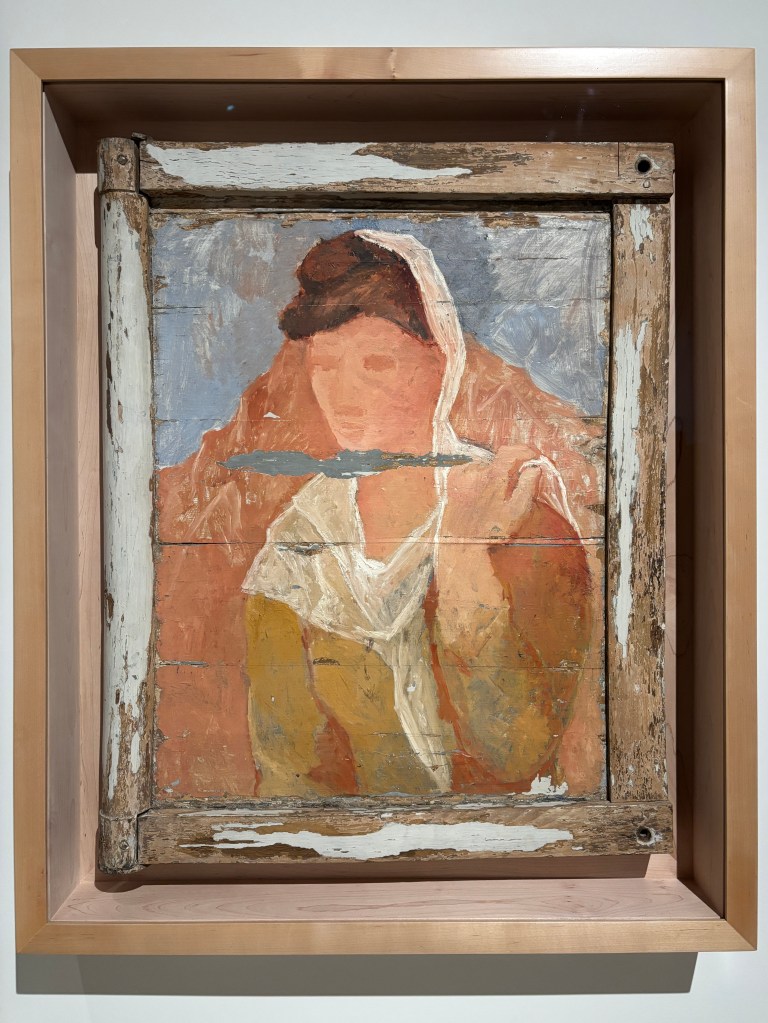
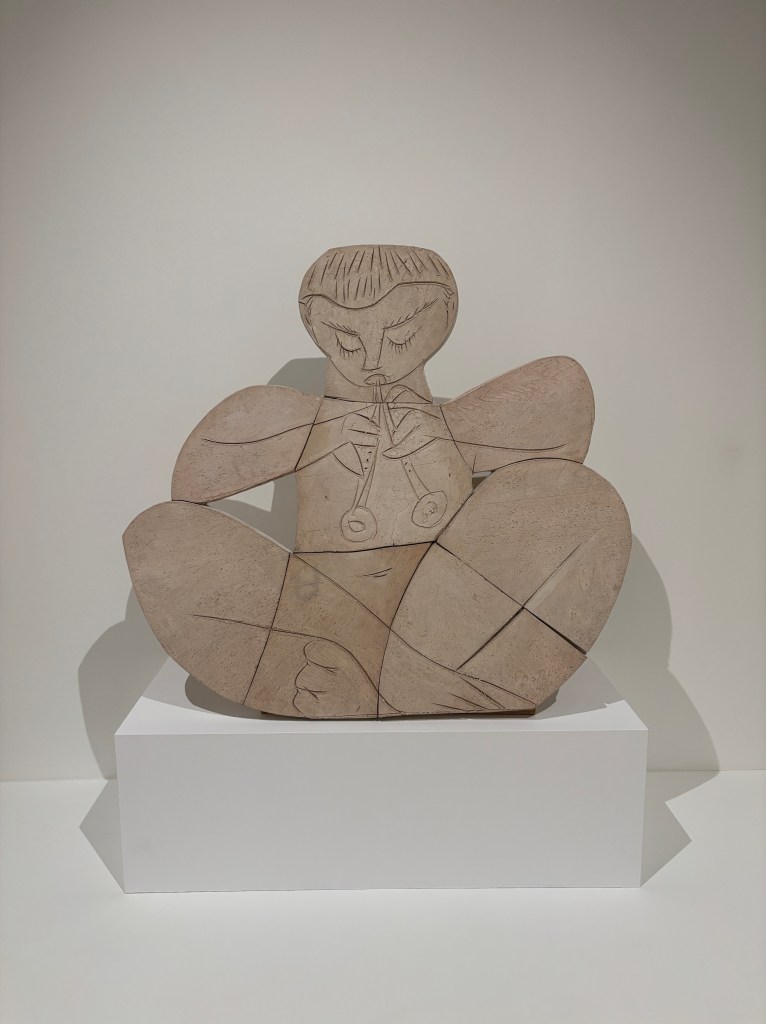
My first stop was Malaga on the Costa del Sol. Southern facing towards the north of Africa, the city is known for beautiful beaches. The birthplace of Pablo Picasso, the city is also host to a number of art museums and the famous Semana Santa (Easter) celebrations.
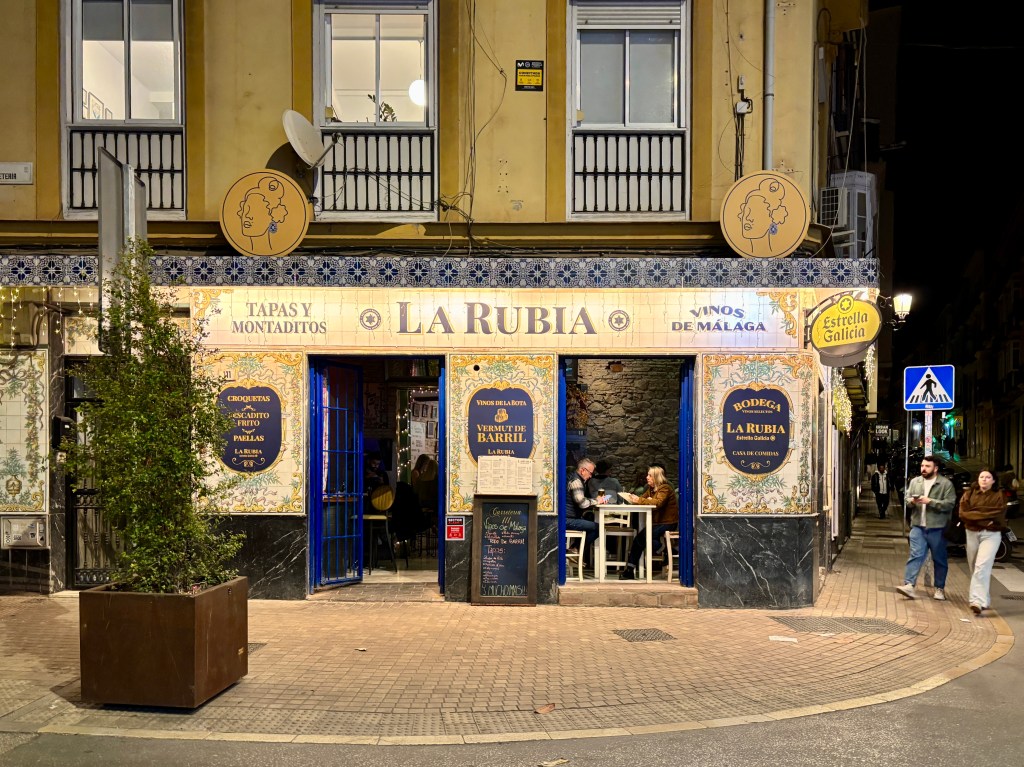
While I definitely appreciated those warm winds coming in from Africa, Malaga was a bit over-touristed for my liking. I did find a sweet pub named La Rubia, however, where I enjoyed cheap tapas and sampled the tinto (red wine, lemon soda, and ice). The kind waitstaff never rushed me, fully embracing the easy-going lifestyle of the place.
The people of Malaga (Malagueños) are affectionately nicknamed boquerones (“anchovies”). Characterized as warm and laid back, the city has become somewhat of an expat melting pot in central Andalusia, the autonomous region of southern Spain. One podcast described Malaga as laying host to “200 taverns and cafes but only one bookshop”. Between the Segway tours and the smokers, Malaga was not really my vibe. The Picasso Museum was by far the highlight (be sure to book tickets ahead).
Craving an escape from the tourist trap, I booked an early bus to Granada, a city about 2.5 hours inland from Malaga. Granada translates to “pomegranate” in Spanish. Appropriately symbol of potency and renewal, Granada has lived a hundred lives throughout the ages.
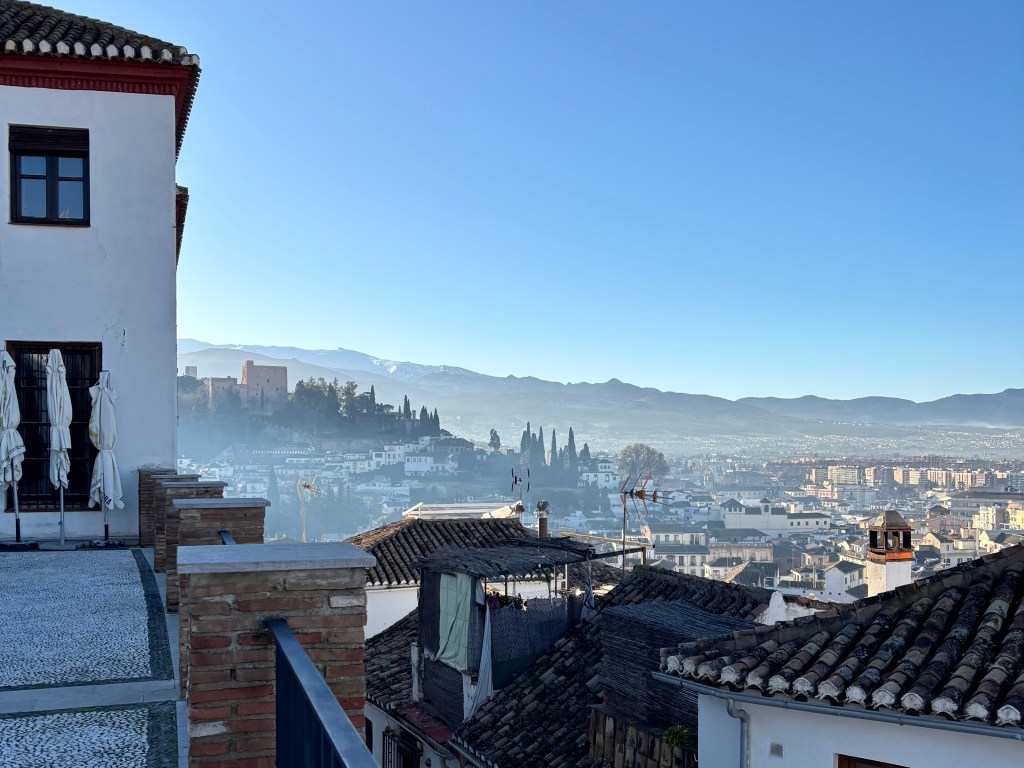
Perched on the edge of the Sierra Nevada mountains, with views from of the vast plains below, Granada’s strategic location made it subject to significant religious and cultural conquests throughout the centuries. Between the 8th century BCE and 1250 CE, the area laid host to a diverse list of inhabitants, many of whom might ring a bell. In order of appearance: the Phoenicians, Carthaginians, Romans, Visigoths, and Moors all seized control of Granada at one point.
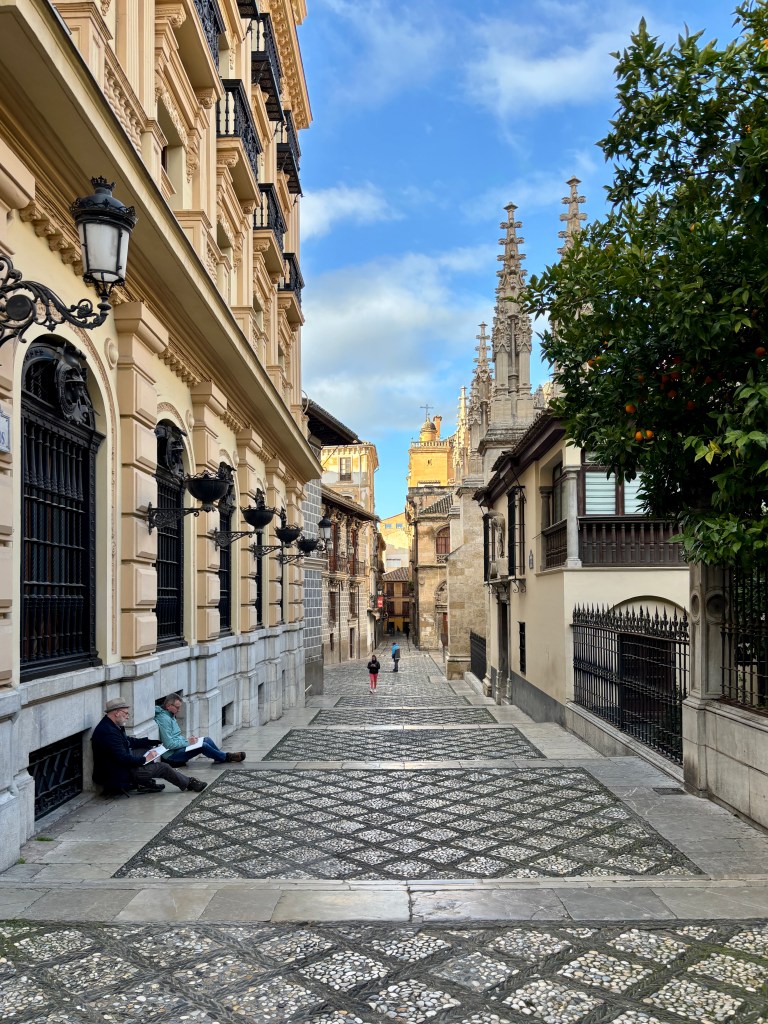
With all the history that this area has seen, it’s no surprise that people flock to Granada from countries all around the world. Today Granada is a charming city that has not been fully gentrified in the name of tourism. The crowning gem of Granada is the Alhambra, the majestic fortress which protects the city from on high.
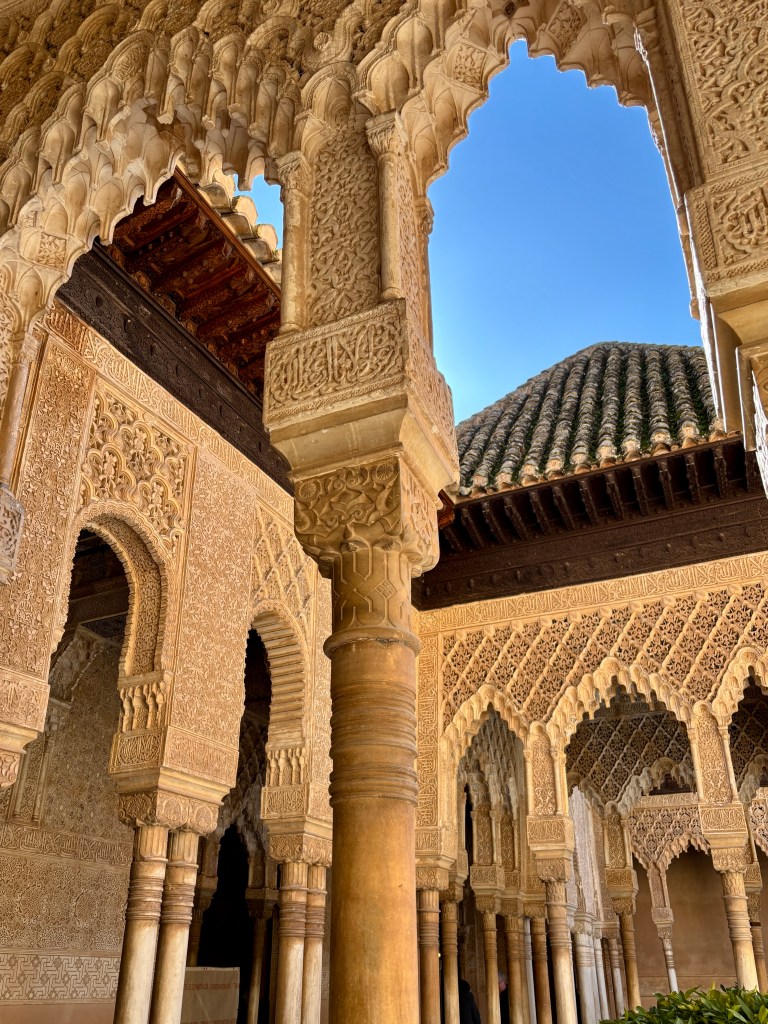
In Arabic, Alhambra translates to “red castle”, indicative of the structure’s distinctive red exterior created from clay and iron oxide. Running water in the forms of fountains and basins flows throughout the structure.
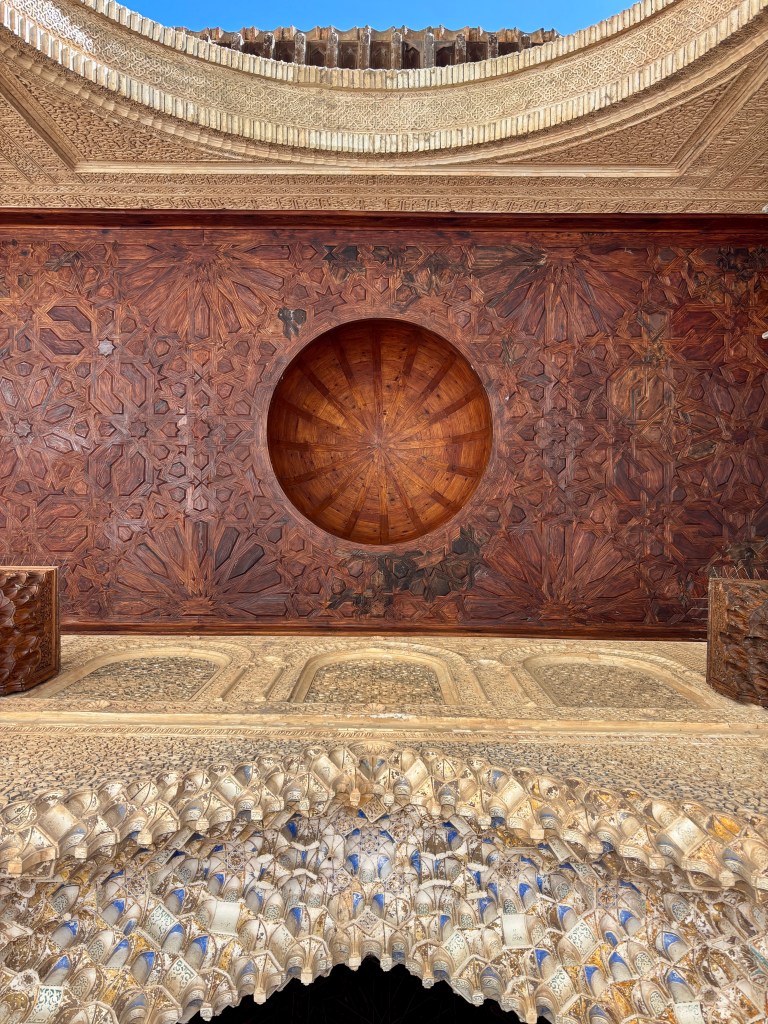
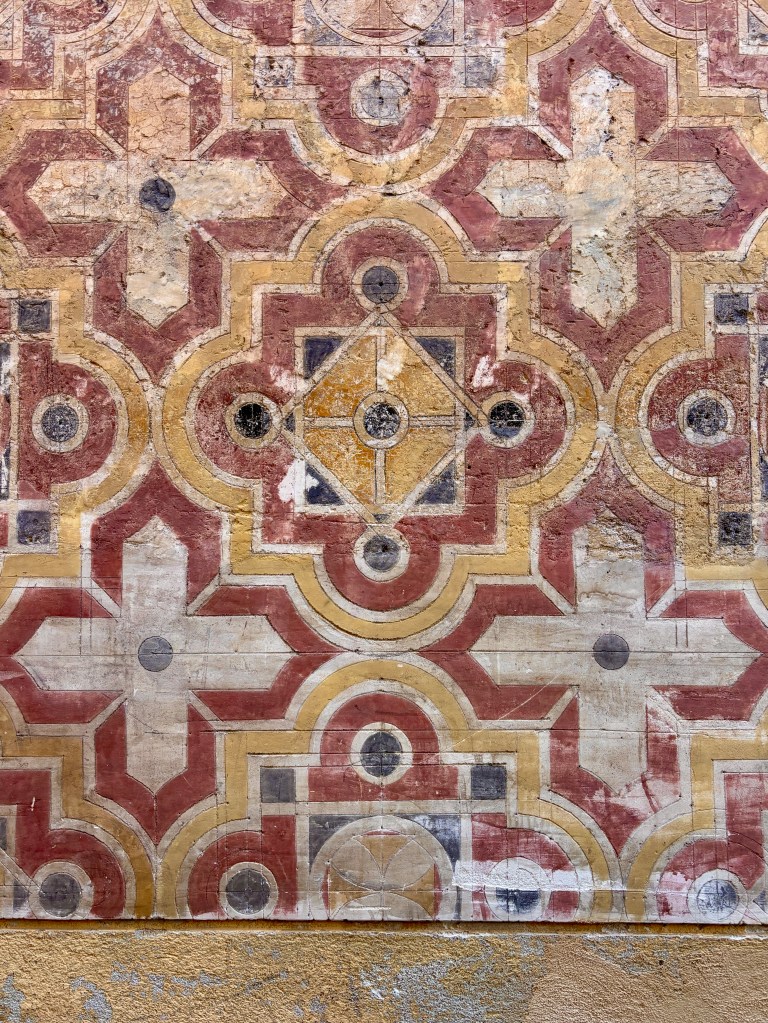
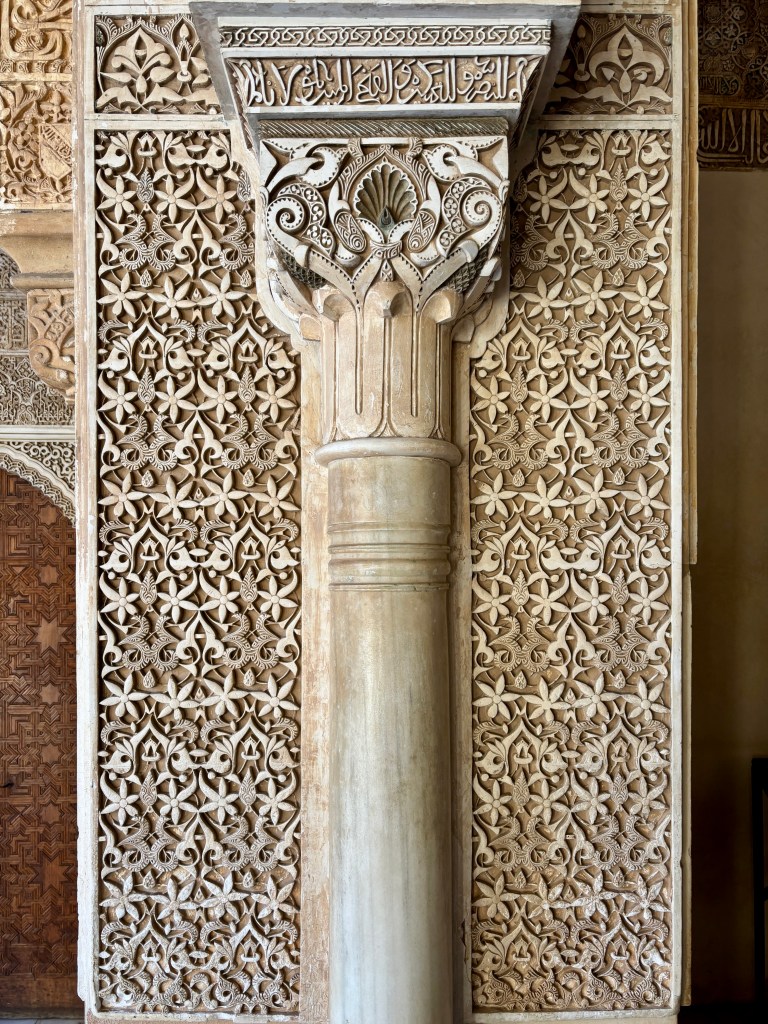
The Alhambra is considered a premier example of Moorish architecture (a combination of Islamic + Andalusian design). Pristinely preserved from the medieval Islamic period, elaborate geometric patterns encourage visitors to crane their necks skyward in awe. There is no true way to capture the beauty of this mystical space.
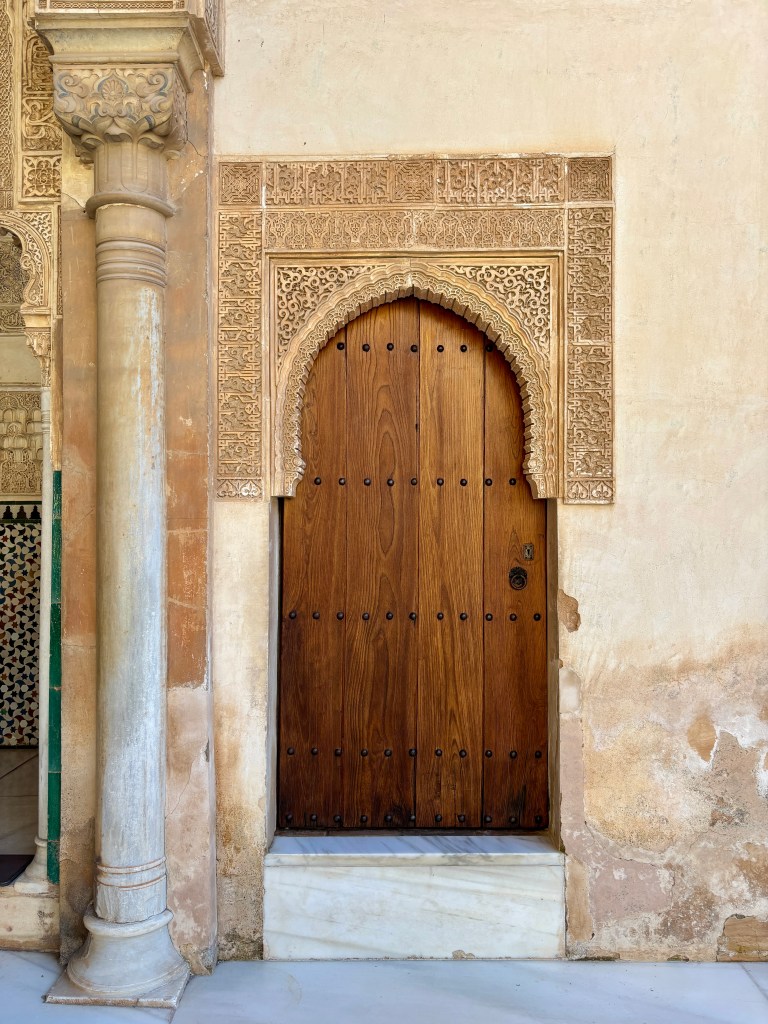
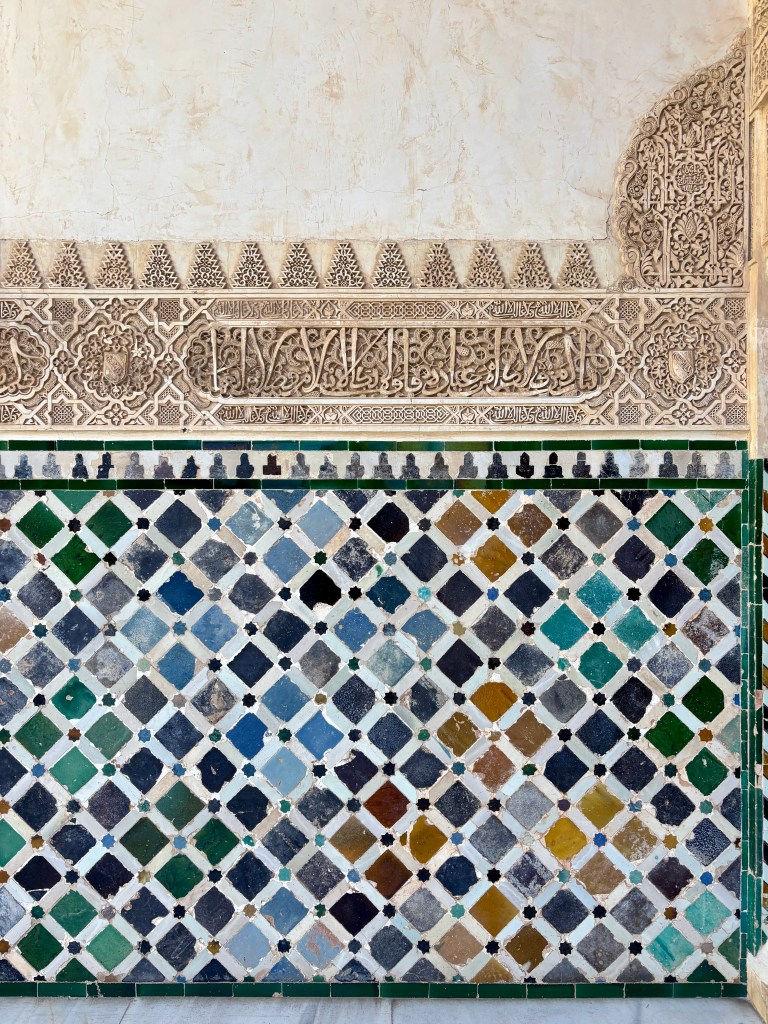
Features like the eight-sided star tessellation symbolize harmony. Tiles of earth tones pair with Islamic calligraphy, producing a true feast for the eyes.
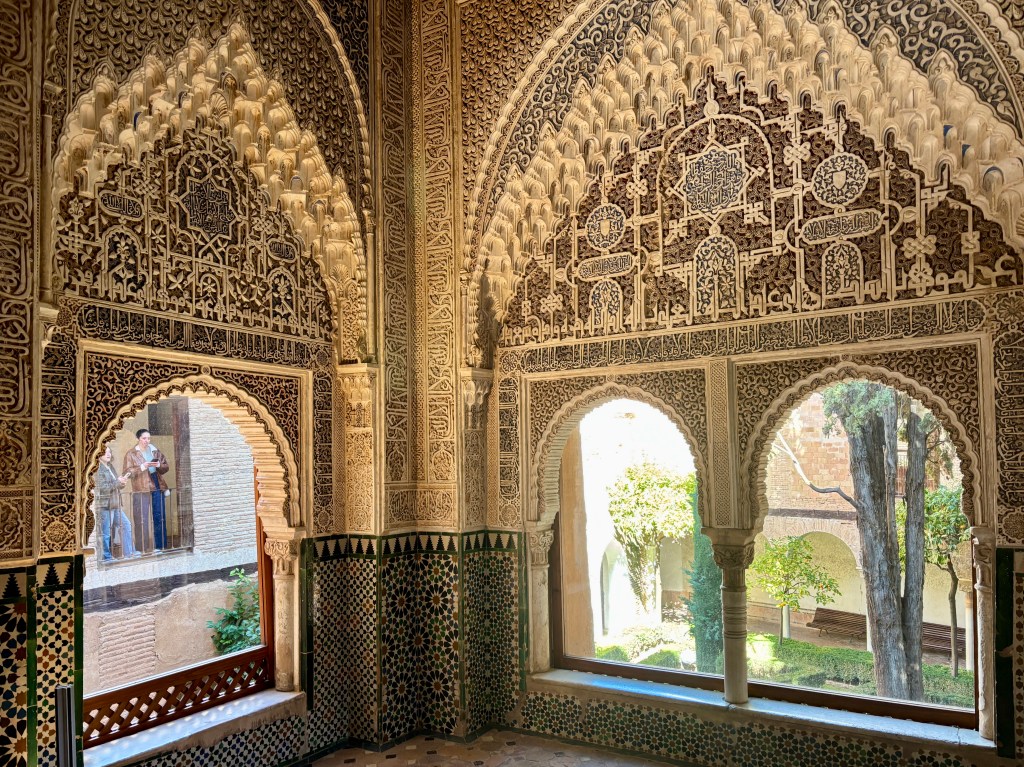
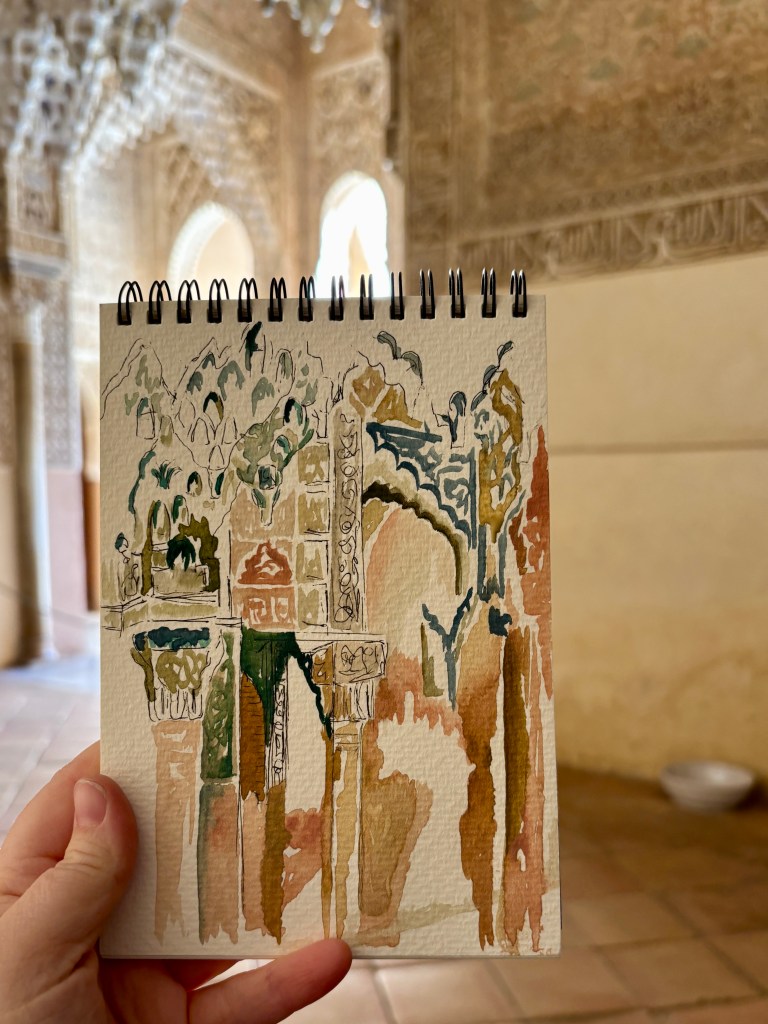
I wandered for hours throughout the grounds, with the Nasrid Palaces being my favorite spot (be sure to book tickets ahead and not to miss this add on). I took my paints and found a perch right inside the Court of the Lions. The beauty was stunning. My interpretations couldn’t hold a candle but painting always helps me to process what I see.
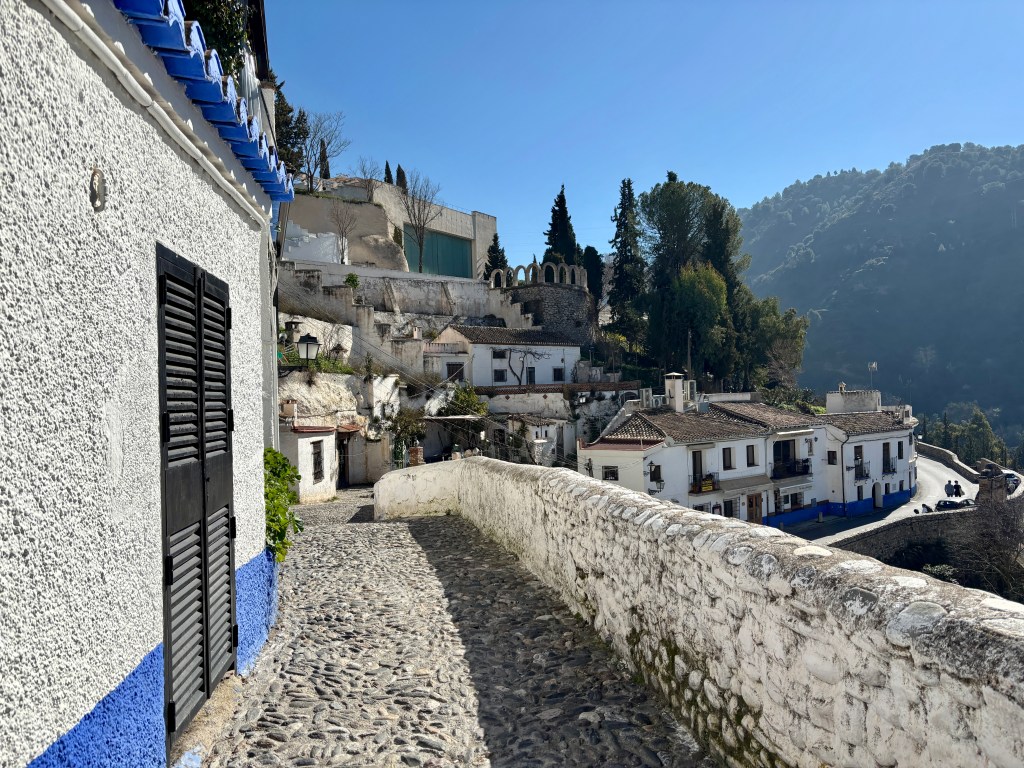
On my last morning in Granada, I took a walking tour through the Albaicín neighborhood. Really a meandering hike, we stopped at a number of viewpoints, the San Nicolás being the most popular.
We made our way through daily markets and over to the Sacromonte cave homes, with their whitewashed façades never hinting at the treasures which lay within. Cool in the summer and warm in the winter, these cave homes have given shelter to inhabitants for nearly 500 years, the initial residents seeking shelter after expulsion during the Christian conquests of 1492. If that year rings a bell, you should know that Christopher Columbus signed his contract in Granada before traveling to the coast to prepare his ships.
I received a humbling lecture on colonialism in this place, my tour guide fueled by the awful news out of Minneapolis, USA, on the day we met. I cannot blame him for his outrage but only felt sad that he did not recognize me as a fellow empath, a traveler with eyes wide open. The worldwide reputation of our nation is being tarnished with each passing day. I have experienced hostile words in recent weeks from colleagues and others in my travels. This is worth noting as I have been privileged to never before be held personally responsible for the actions of my government, even during my time in Russia. Those days are in the past and I suspect we will soon reap what we have sown.

 SwissMissMeg
Leave a comment