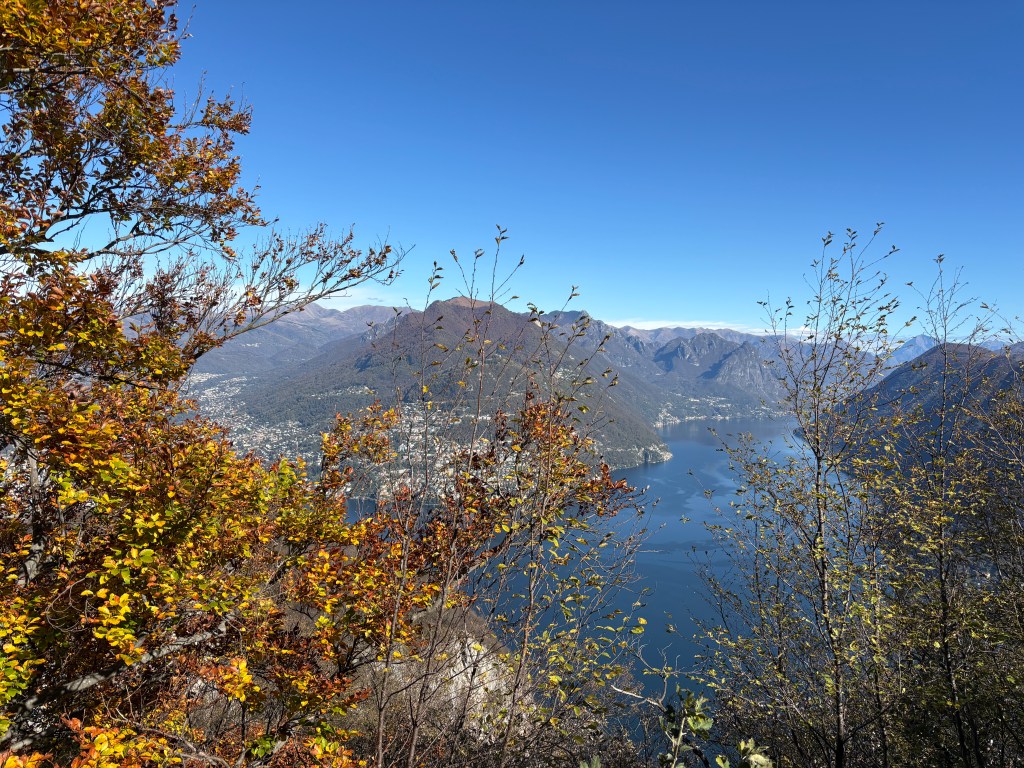
As the sun dips behind the mountains and golden hour descends, I am once again taken by the beauty of this hill of gold. Though I spent four summers in residence years ago, I see Montagnola with fresh eyes. Happily on foot, I explore the paths and the hidden gems of the village, the scenery too pretty to need a musical soundtrack.

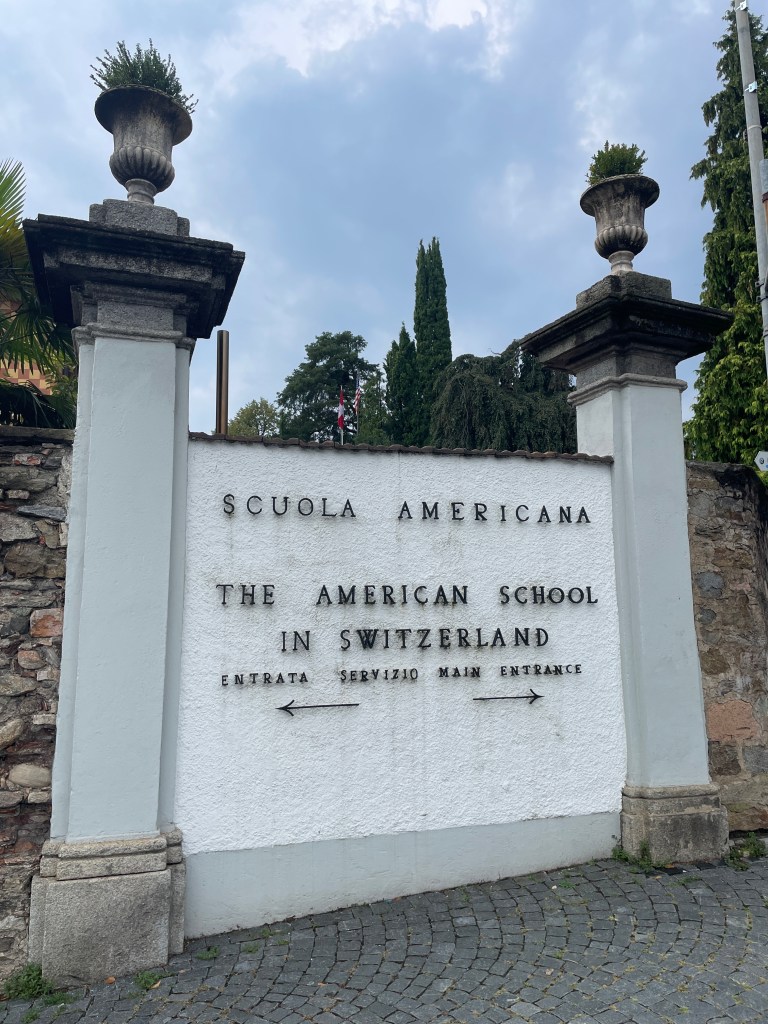
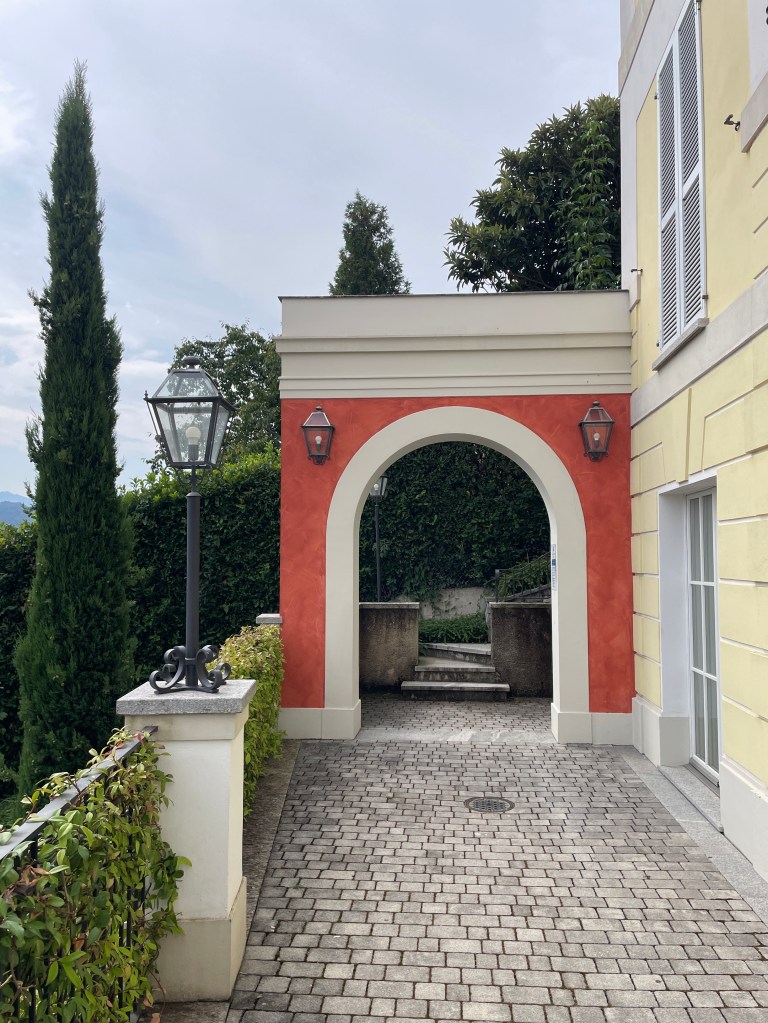
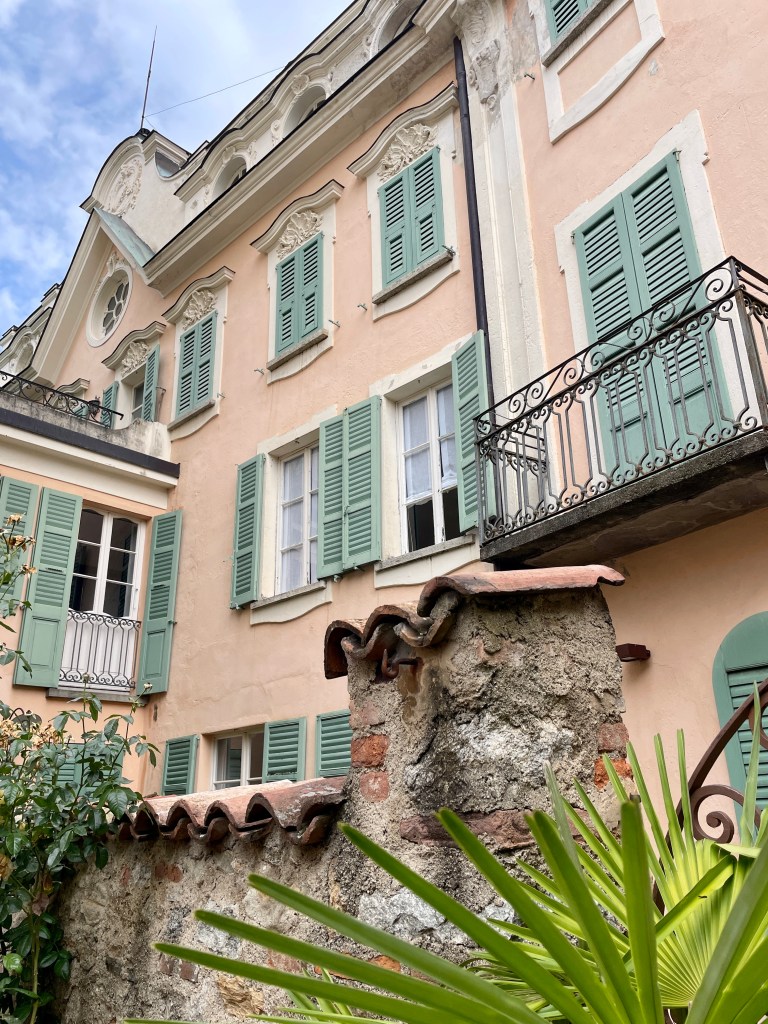
My school commands an ever-expanding footprint on Montagnola. I am stunned with the expansion that has been completed in the nearly 15 years since I was here last. The campus is so gorgeous and the buildings fit with the palette and architectural style of the local landscape well.

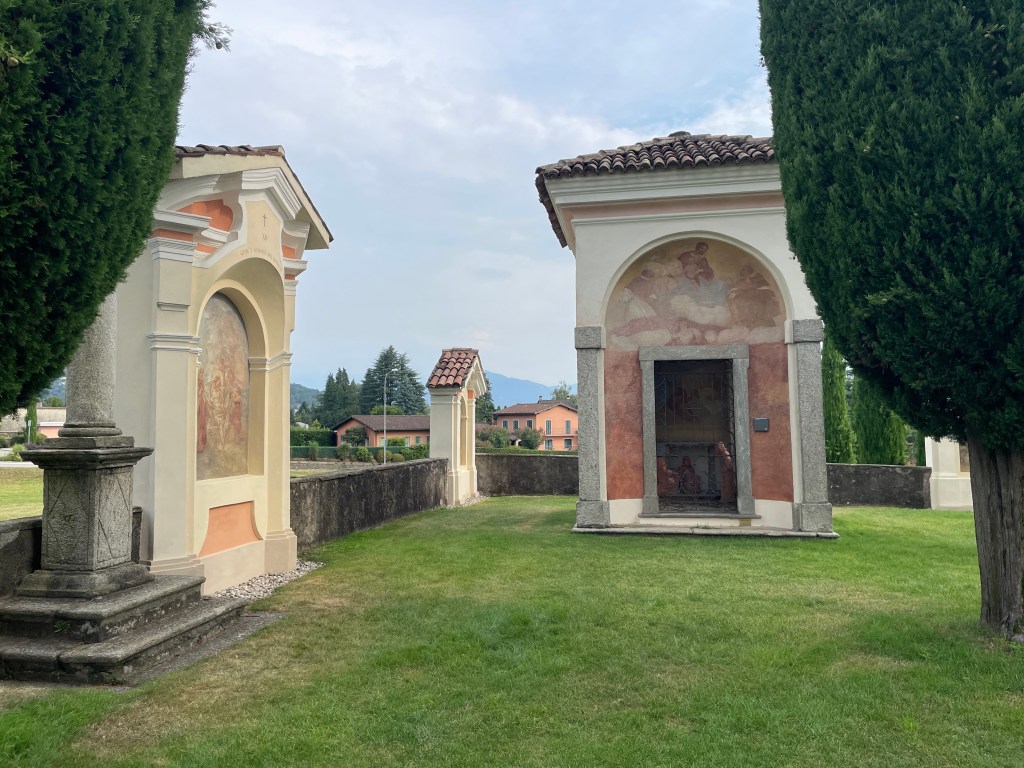
One local landmark lies at the heart of Montagnola – the church of Sant’Abbondio in Gentilino. It is lovely to attend Sunday Mass in this intimate chapel, an opportunity not only for meditation but also to connect with the local community. As the service is in Italian, I follow along best I can and try to catch phrases I recognize. The church bells chime daily, softly winding their way up the mountain and across the valley towards Agno.


On a quiet Sunday morning following church, I took a walk up to Hermann Hesse’s studio in the heart of Montagnola. It was here that he wrote Siddhartha and began his painting practice, seeking reprieve from his personal demons. Musician George Harrison also sought refuge on Montagnola during his treatment for cancer in the 1990s.


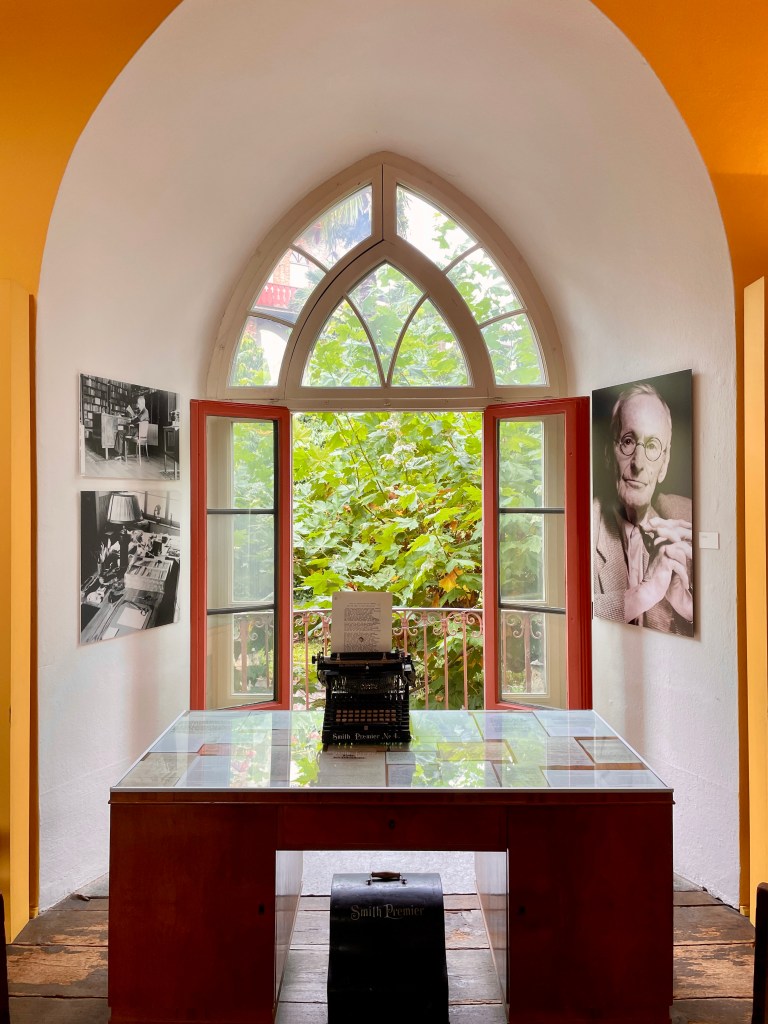
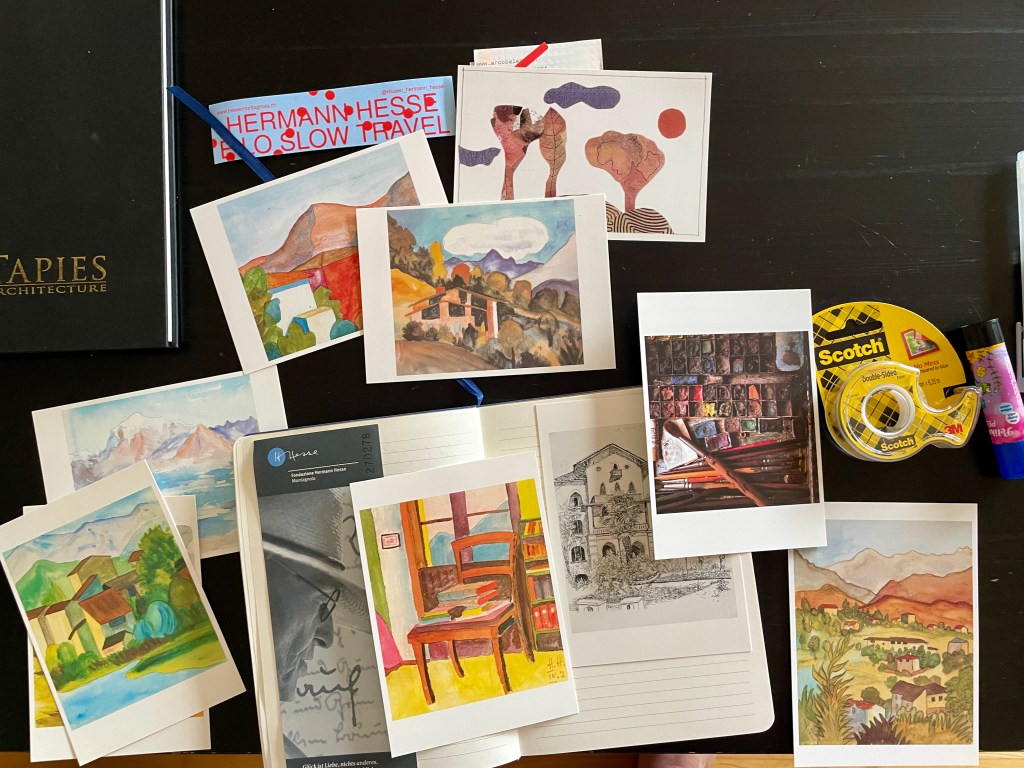
The Museo Hermann Hesse is a gem. Hesse’s glasses and typewriter sit at the ready upon his desk, facing a gorgeous square filled with linden trees in full bloom. His paintings line the walls, connecting us to his time spent in Ticino. He employed the use of watercolor and pastel – my two favorite mediums – in capturing the gorgeous landscape of the area.
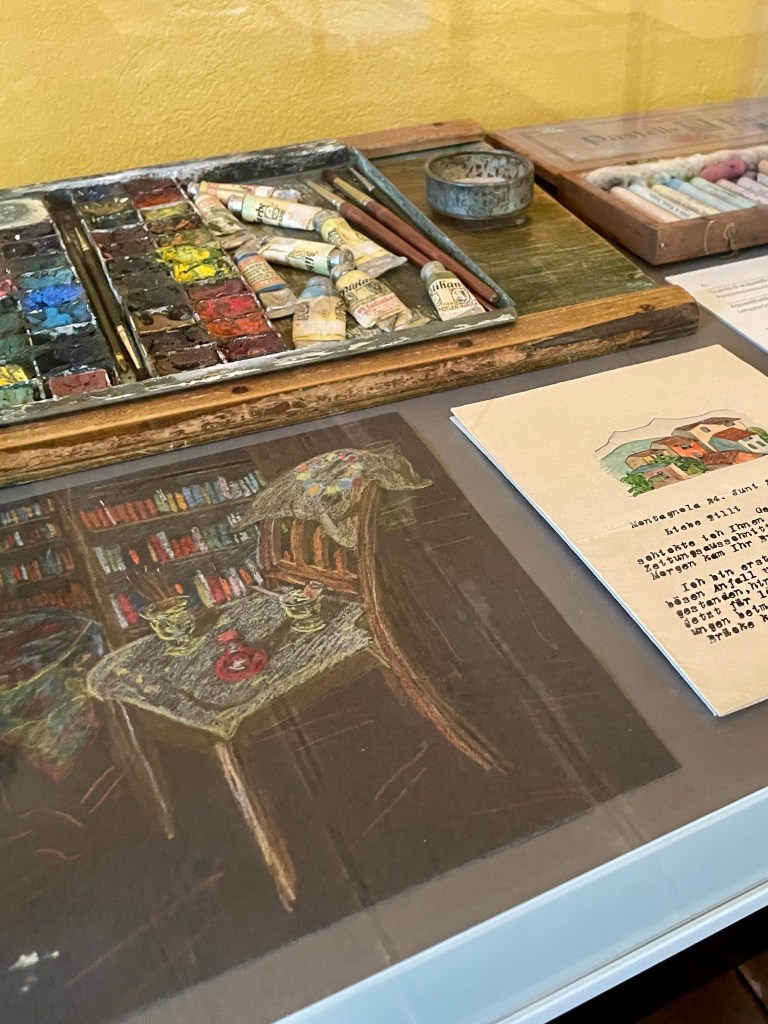
New to painting at age 40, Hermann Hesse always considered himself to be an amateur artist. His colors and form capture the landscape of Lugano and its environs well. More saturated than realistic, his appreciation for the region shines through in his studies. He sought solace in nature and his compositions reflect that effort.
In the museum garden, I came across a turtle named Knulp, named for one of Hesse’s novels. Knulp has his run of the place, including ramps to help him navigate and grass to munch. He was incredibly spry for a 20 year old, approaching each visitor in turn to introduce himself. I would love to return to the garden with my own paints sometime soon.

During Hesse’s time in Montagnola, he sought psychoanalysis under the famed Swiss psychiatrist Carl Jung. “The dreams that you have told have made me understand the urgency of your case,” Jung wrote to Hesse. Hesse replied, “Truly, no one is wise, if he doesn’t know the darkness”. The juxtaposition of Hesse’s dark personal history and the idyllic setting in which he worked seem to bring a magical grounding to his writing in novels such as The Glass Bead Game and Steppenwolf.

“The course of one’s life may seem completely determined by certain situations, and yet, it contains all of the possibilities of life and change of which the human being himself is capable.” – Hermann Hesse
During this time of transition, it has been wonderful to become reacquainted with Montagnola. My orientation has come to a close and we will welcome students to our classrooms this coming Thursday. More fun plans to come, including exploring Lugano and an upcoming trip to Bergamo, Italy, where I’ll have the chance to preview some of the Renaissance frescos that my students will explore in my art history class. Until next time…
To subscribe to this blog, enter your email address and respond to a confirmation email sent your way:



 SwissMissMeg
Leave a reply to jollyjoyfully592d5f99a8 Cancel reply