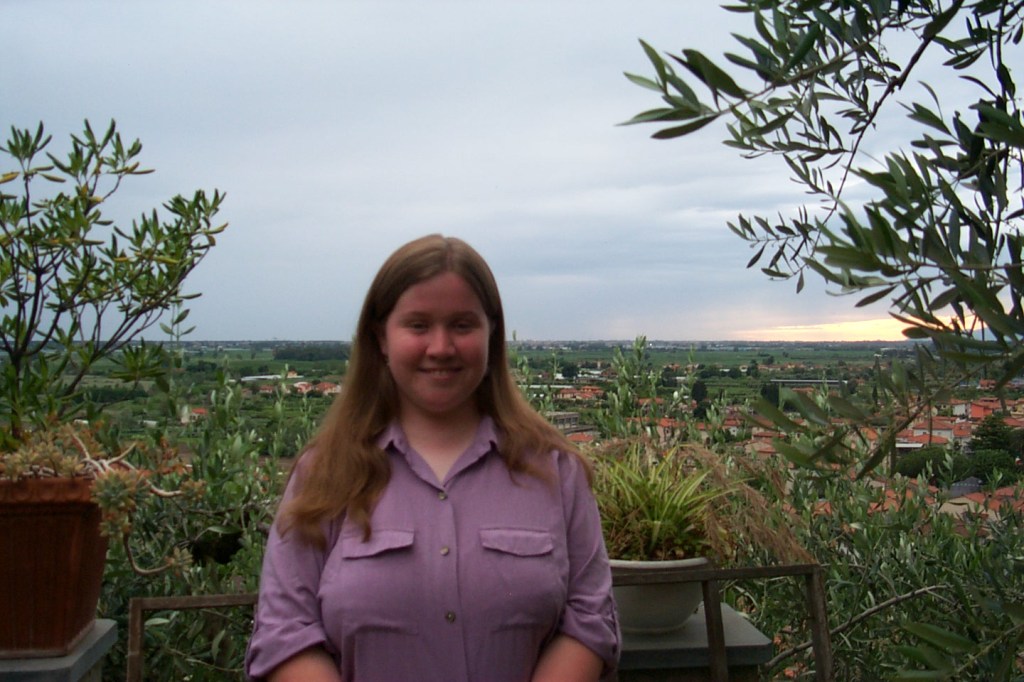
My first visit to Italy was a seminal experience. I was 19 years old and I had never been to Europe. The trip was organized by my professor, Dr. Lynda McIntyre, Department Chair of Art Education at the University of Vermont. We based out of Viareggio, a beach town near Pisa. There were ten of us undergrads enrolled in the program. We spent the days traveling through Tuscany, painting in hillside towns, enjoying lunch in picturesque squares, and visiting artist studios from Ravenna to Florence.
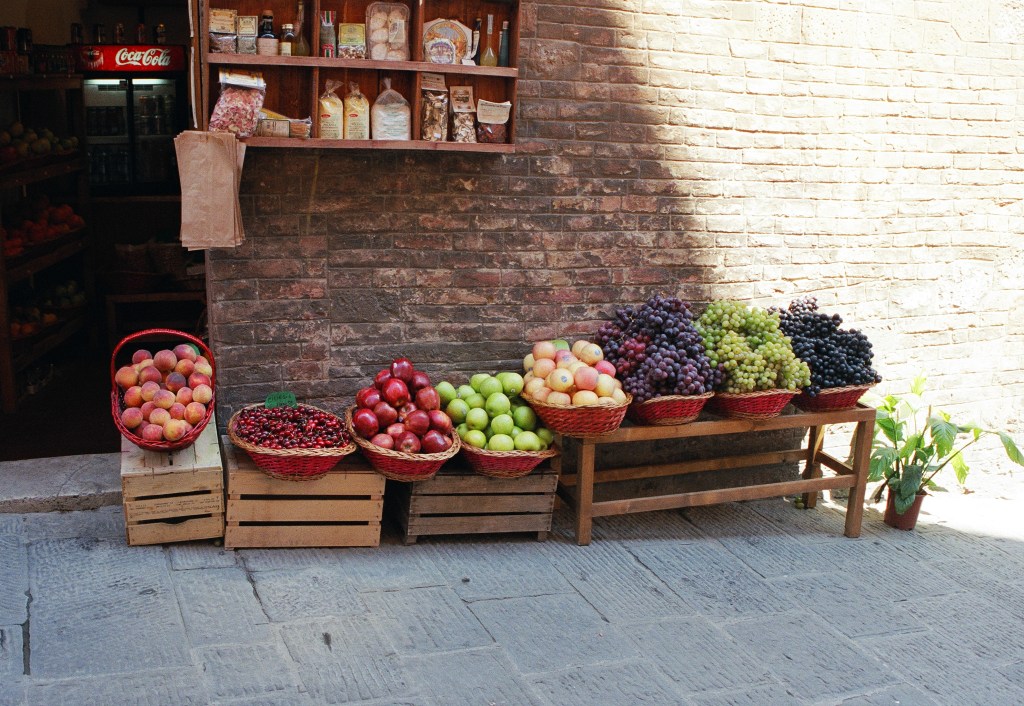
The year was 2004. It was the time of internet cafes and phone cards. The euro had just become legal tender. We made friends quickly and made plans. We hiked Cinque Terre and stayed at a campground outside of Venice. I was amazed at how easy it was to hop on a train, book a hostel, and go. I was hooked.
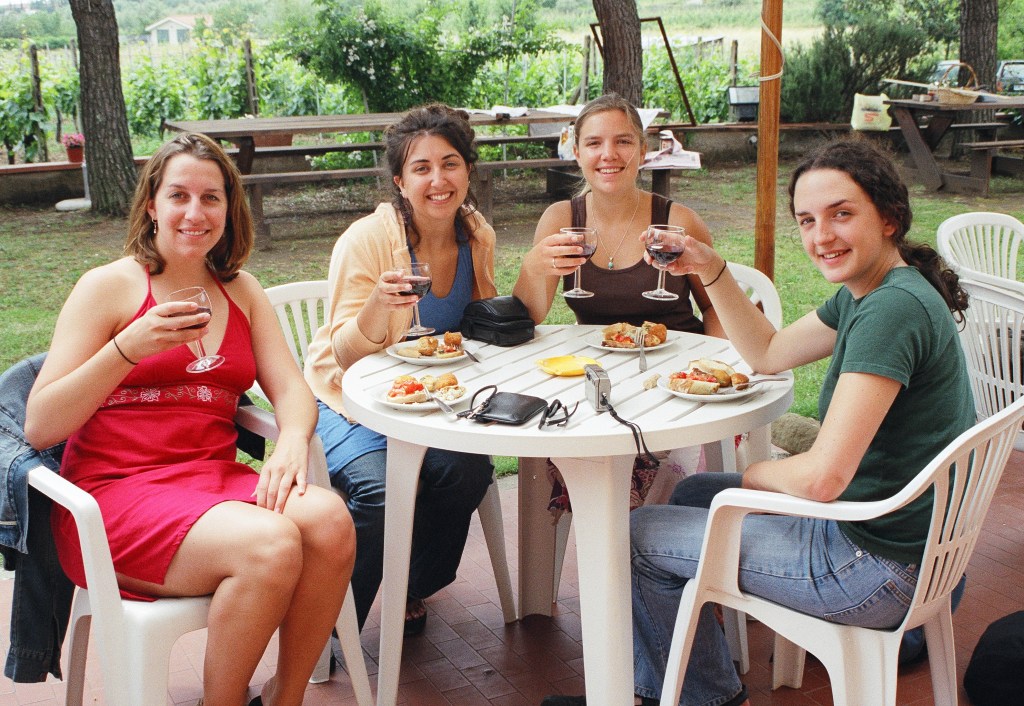
Since moving to Switzerland, I have been hoping to return to the charming little towns of Tuscany. With spring break approaching, I set my sights on Lucca and Siena. Arezzo made the list as well – new to me but recommended for its art and architecture.
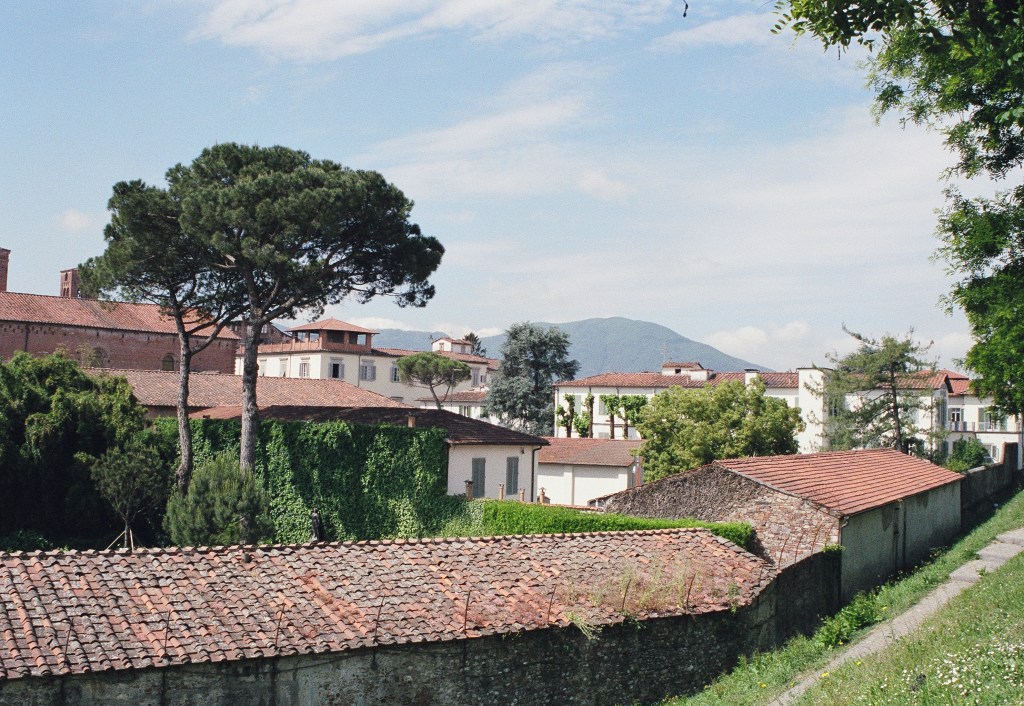
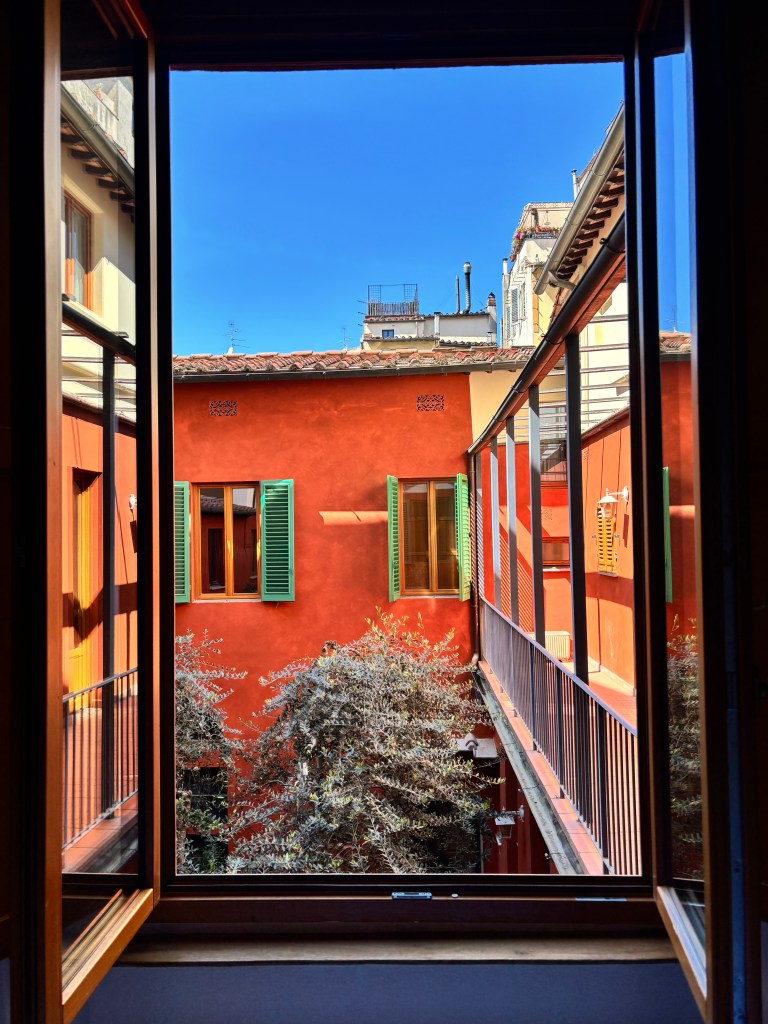
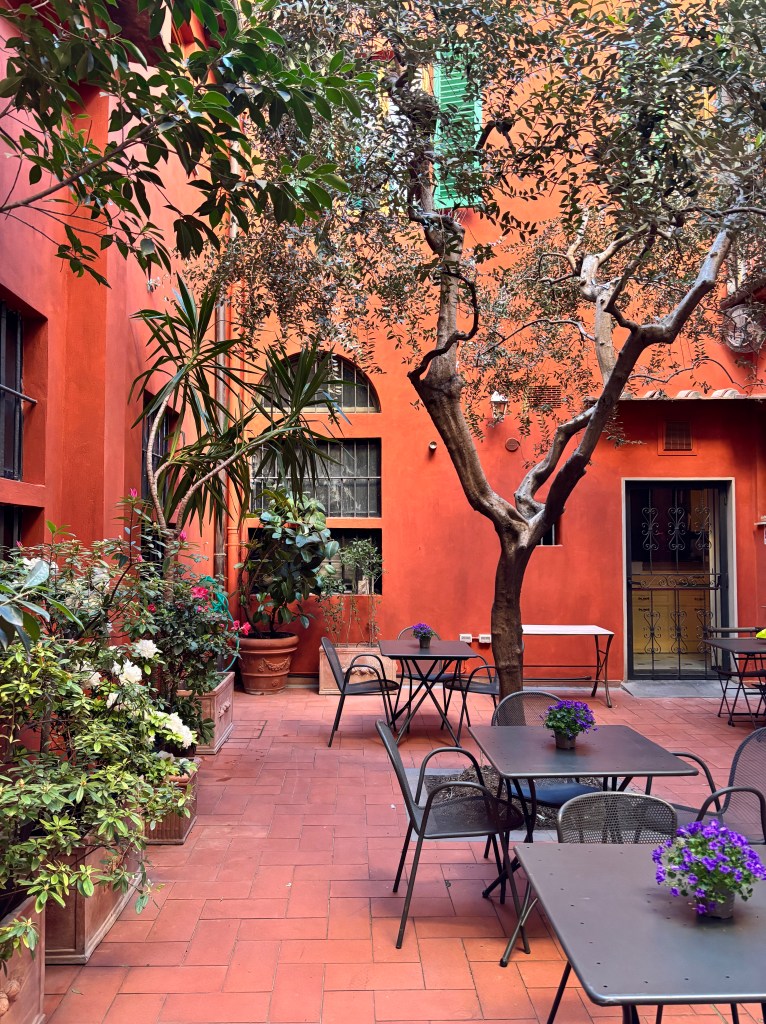
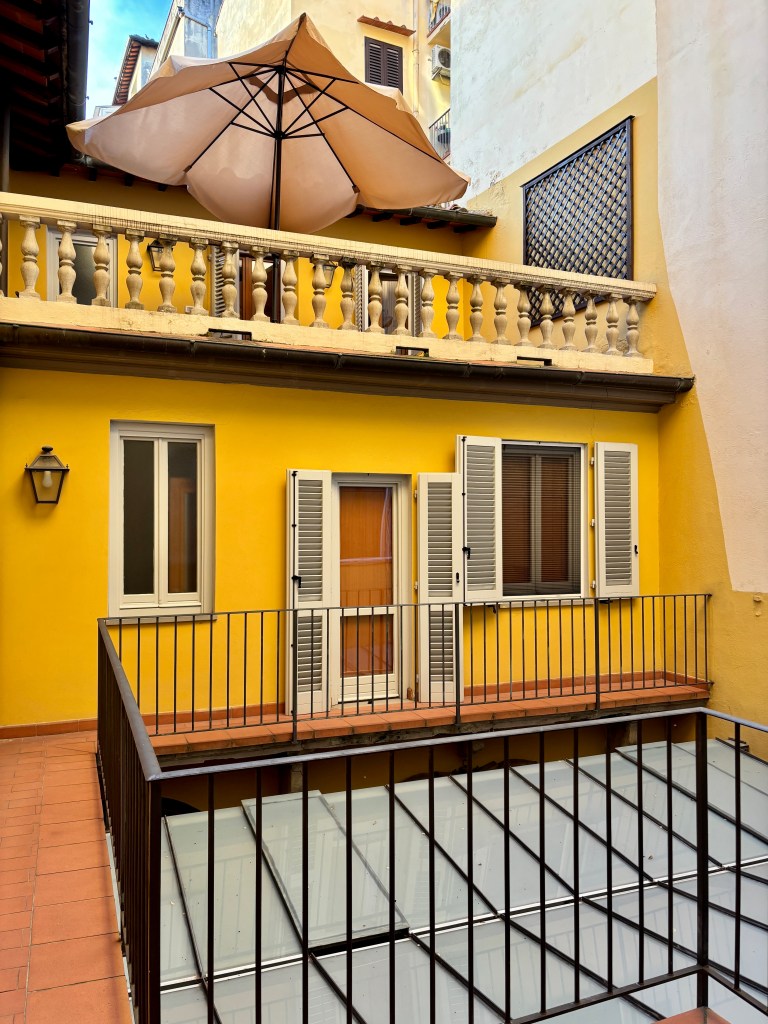
On Easter Weekend, I took the train to Florence. My hotel was idyllic and I adored my kaleidoscope of a view. Just around the corner from the Duomo, the location could not be beat.
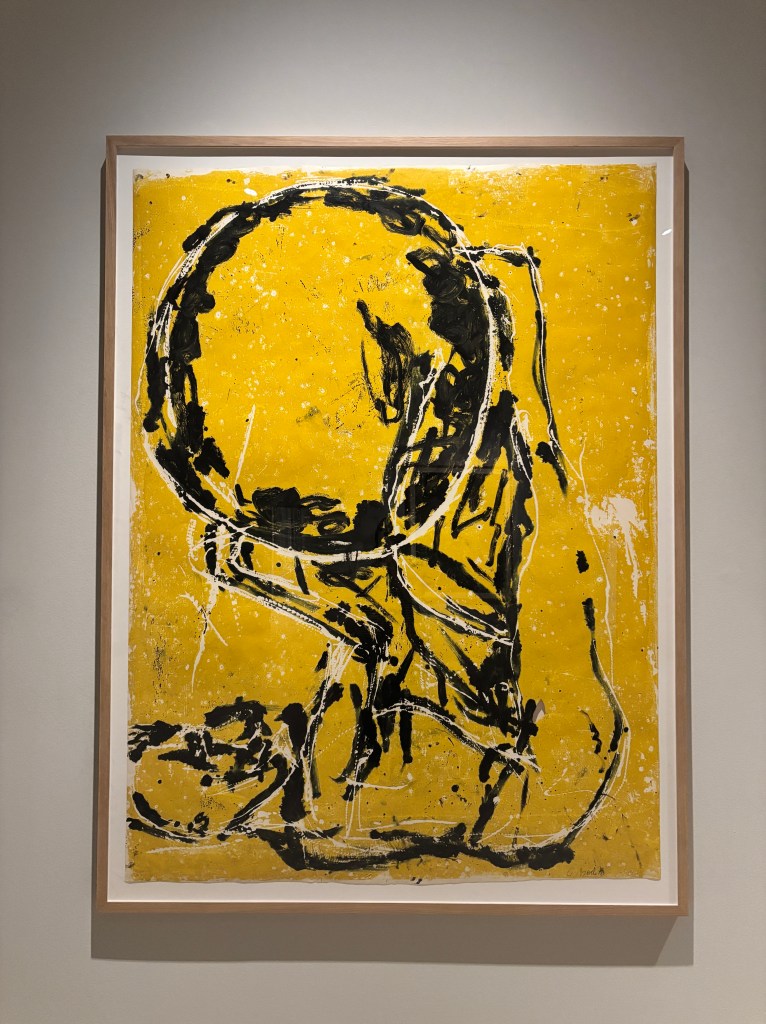
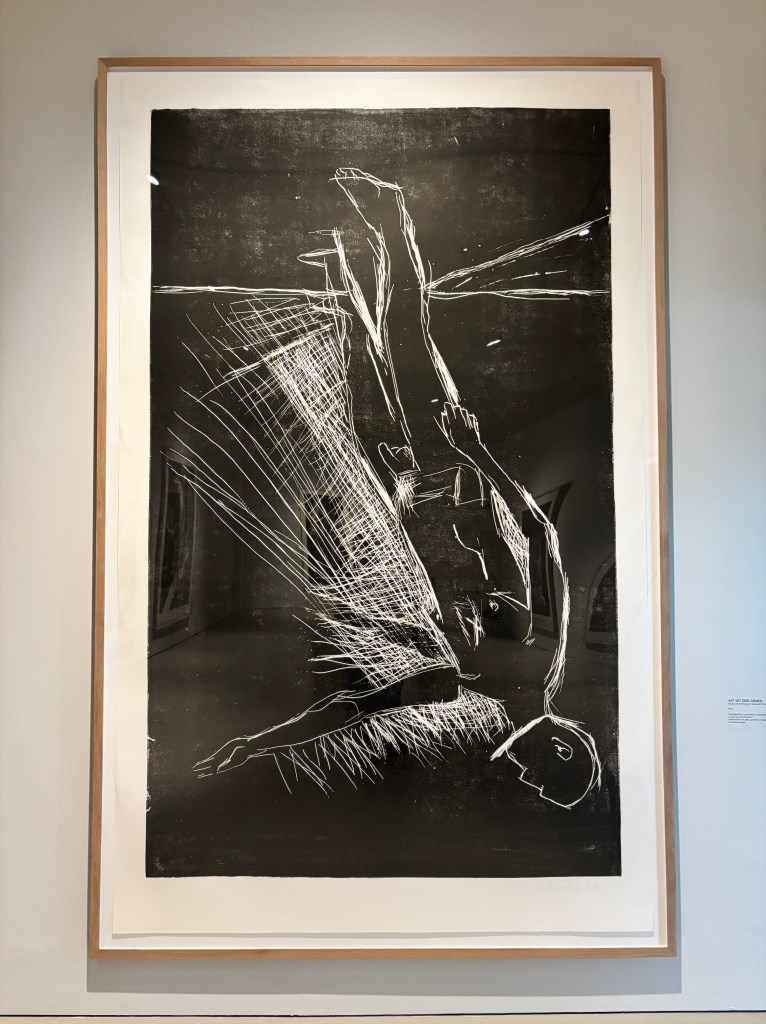
The Museo Novecento was hosting an exhibition on Baselitz, a contemporary German artist. The artwork proved a perfect foil for the the historic 15th century walls of this former hospital.
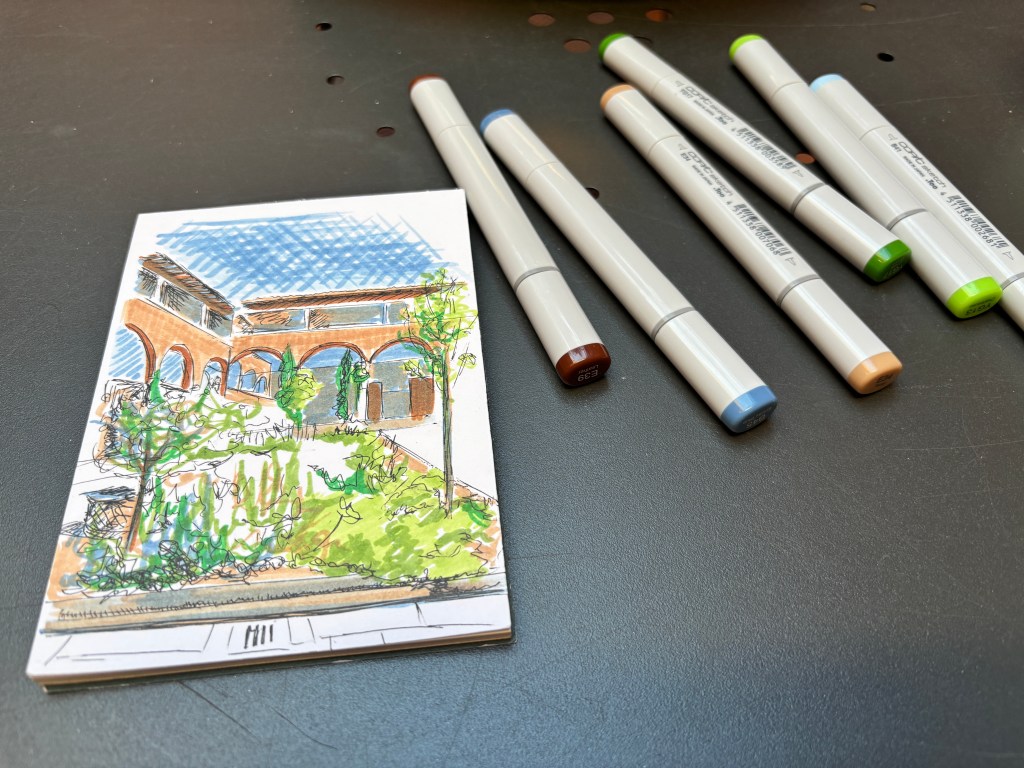
On Easter Sunday, I wandered over to the Duomo with my sketchbook, hoping to catch the Basilica of Santa Maria Novella in the morning sun. I was met with huge crowds and a parade of men and boys wearing historic dress.
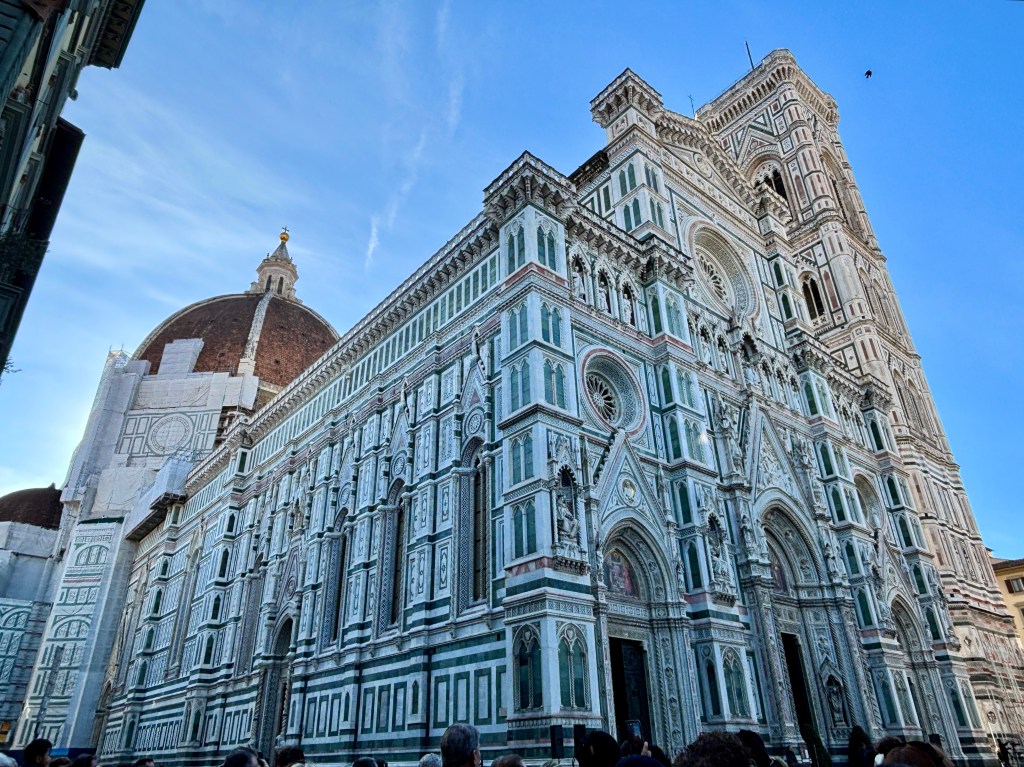
Flag throwers and drummers announced the start of Scoppio del Carro (the Explosion of the Cart). With the crowds growing steadily, I turned towards the station to catch my train to Lucca.
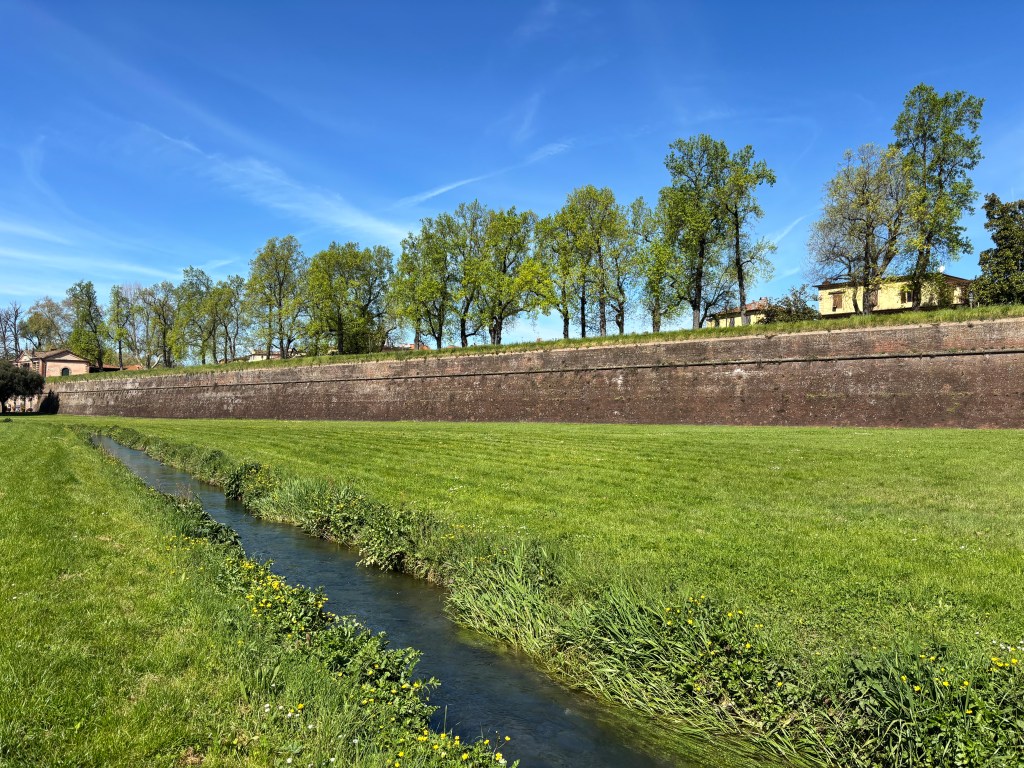
A walled city encircled by ramparts, Lucca has served many masters over the centuries. Dating back to the 3rd century BC, this charming town boasts Etruscan, Roman, and Renaissance roots. During my time in Viareggio, I would take a bus to Lucca for the afternoon, to photograph its wooden doorways down quiet streets.
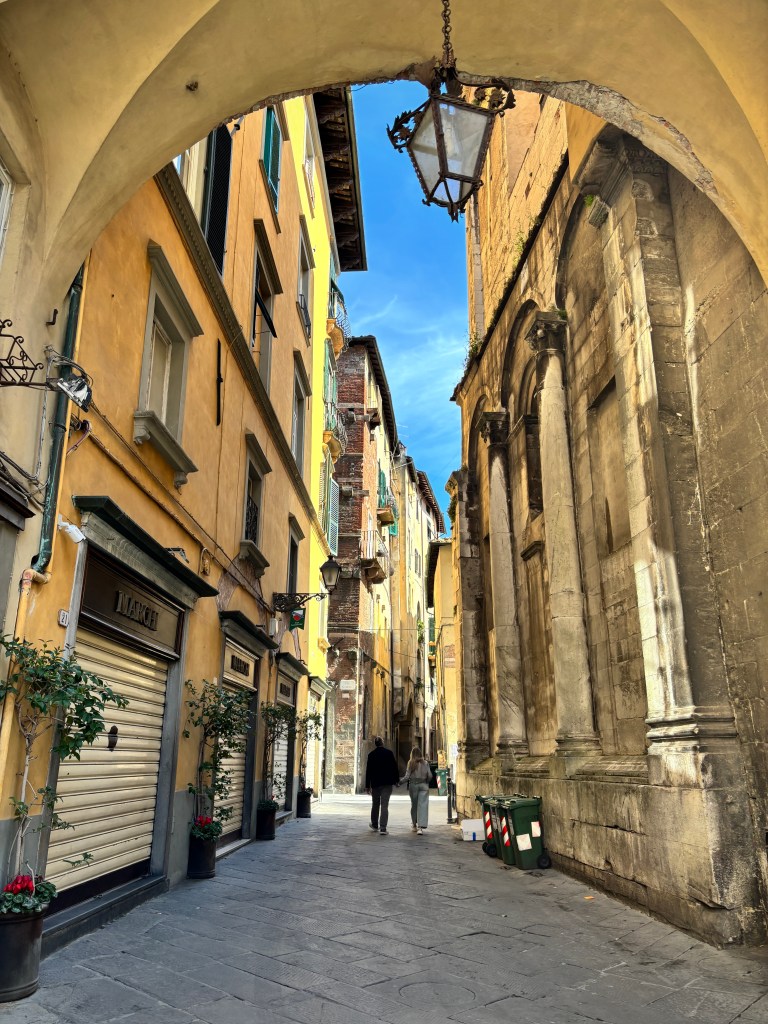
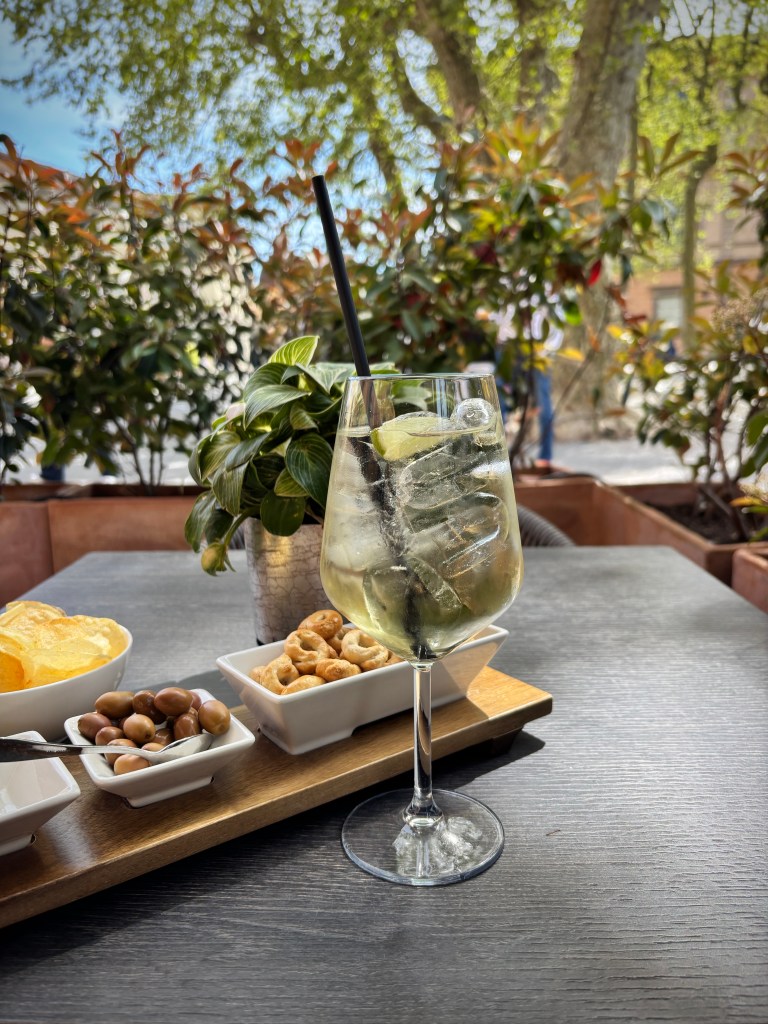
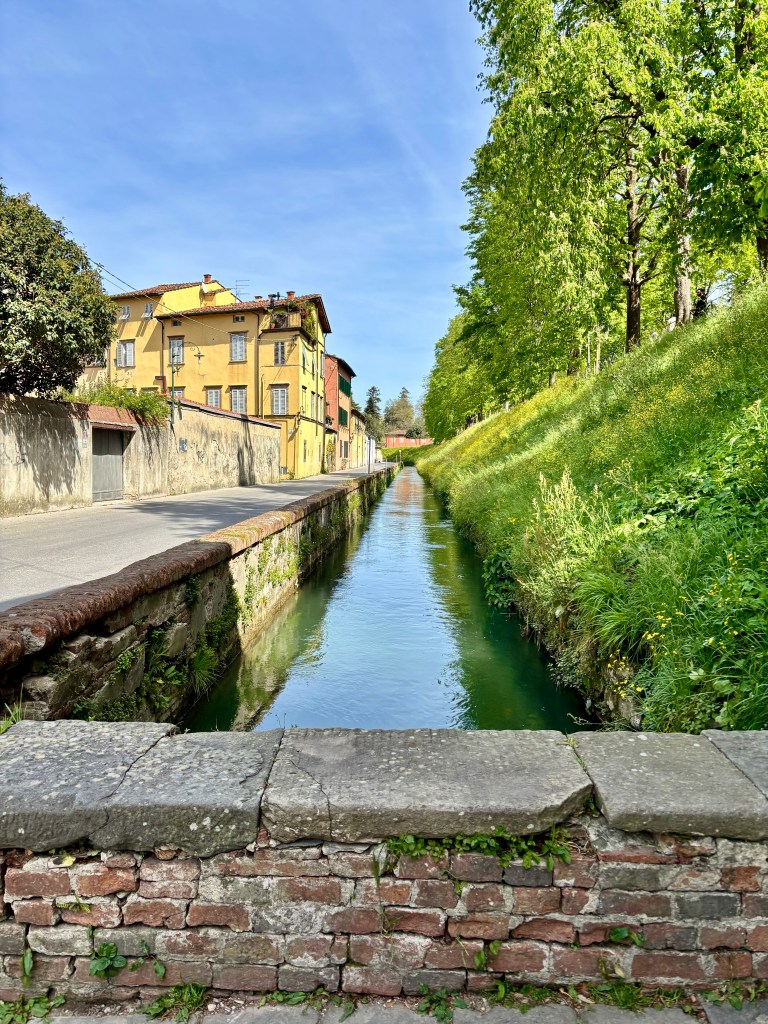
Today Lucca is much more well known than it was in 2004, though surely Easter Monday played a role in the large crowds. The city walls provided a reprieve above the din. While you can bike the 3-mile loop, I enjoyed the walk on foot. From there, I could drop down into the quiet back streets, finding solitude to sketch from a small cafe or park bench in the square.
My goal for this trip was to be creative every day, whether with watercolors, collage, or pen & ink. Making art takes inspiration, but it also takes practice and intention. I spent time each day making art, reading, and journaling.
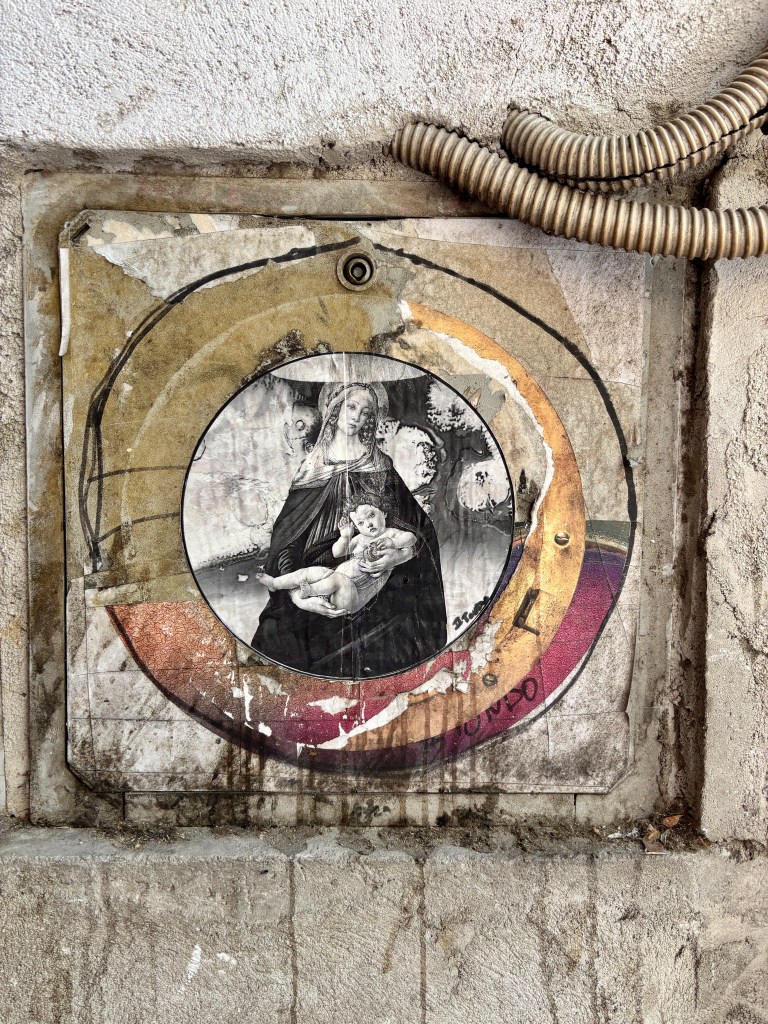
There are relatively few transportation options in between Tuscan towns. Most involve buses which run just once a day in the early morning. Aside from the Via Francigena, the ancient pilgrim hiking road, you need to travel back and forth out of Florence, either by train or bus, to reach a new destination. Returning to Florence, I soon found myself on a bus winding its way through olive groves and rolling hills en route to Siena.
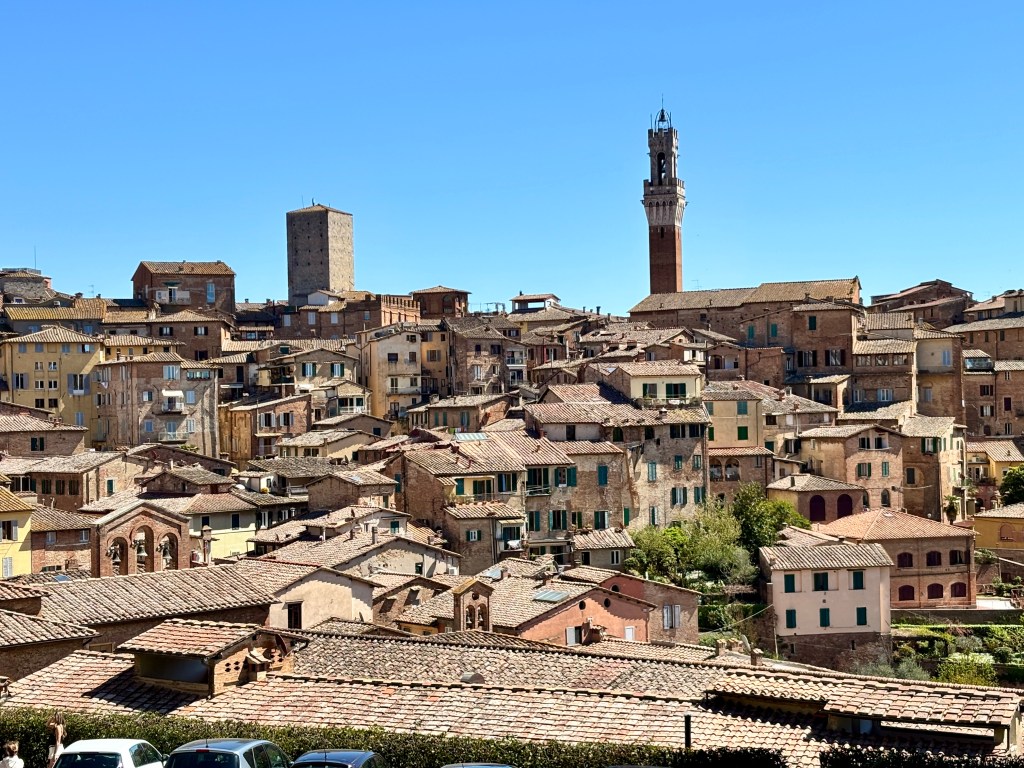
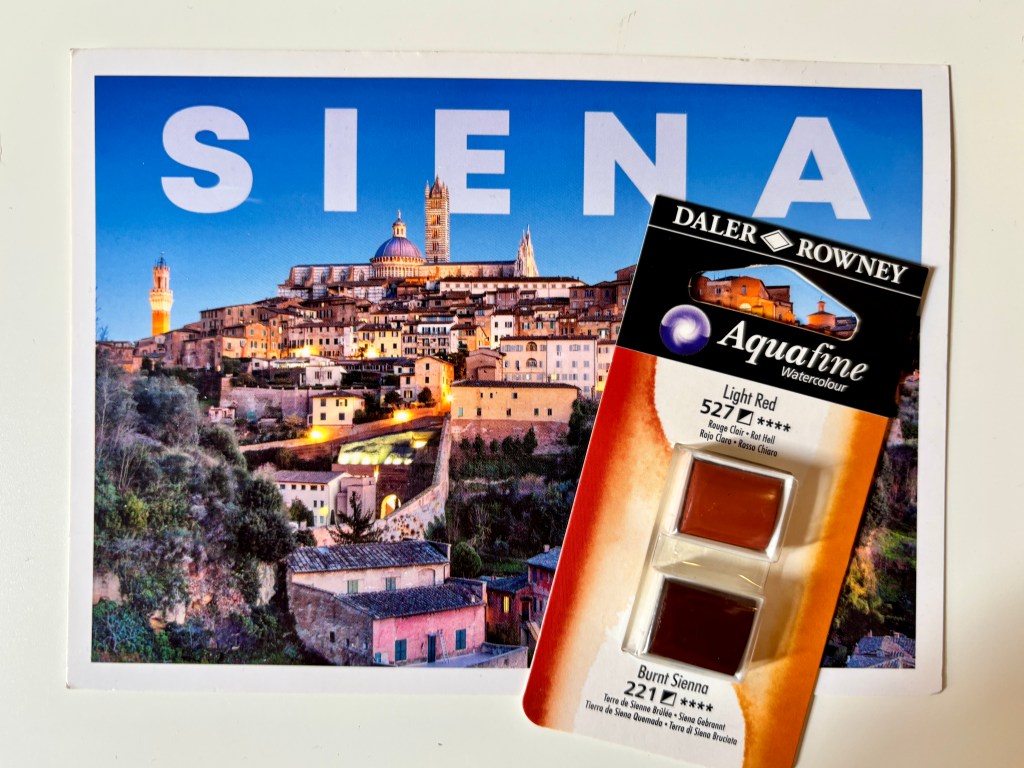
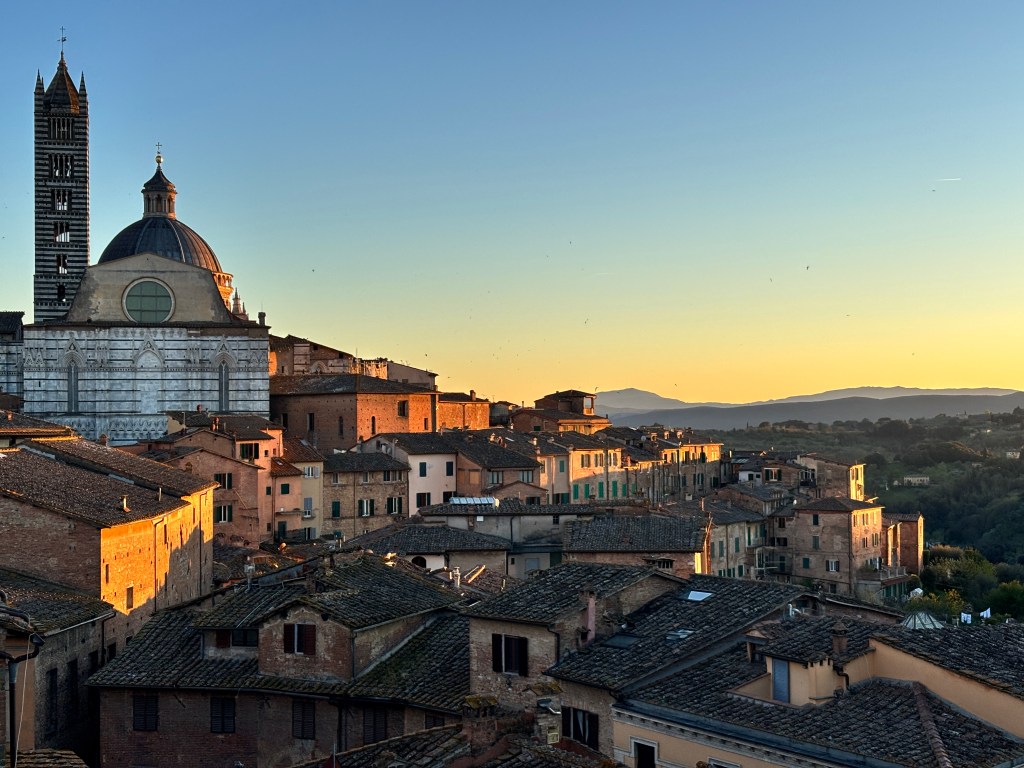
As we approached the city, I could see layers upon layers of terracotta rooftops. One of my favorite paint colors – burnt sienna – is mixed from the iron-rich clay found nearby. In the direct Tuscan sunlight, the rooftops give off their own tinged, earthen look.
Siena and Rome share a symbol – the she-wolf – and interestingly she is one in the same. For those aware of the story of Romulus and Remus (founding twin brothers of Rome), Siena shares an important through line with that tale. As the story goes, Romulus killed Remus in a boundary dispute. Fearing for their lives, Remus’ sons Senio and Ascanio fled Rome, taking the Capitoline Wolf with them. Hence, the she-wolf symbol that graces many squares in Siena.
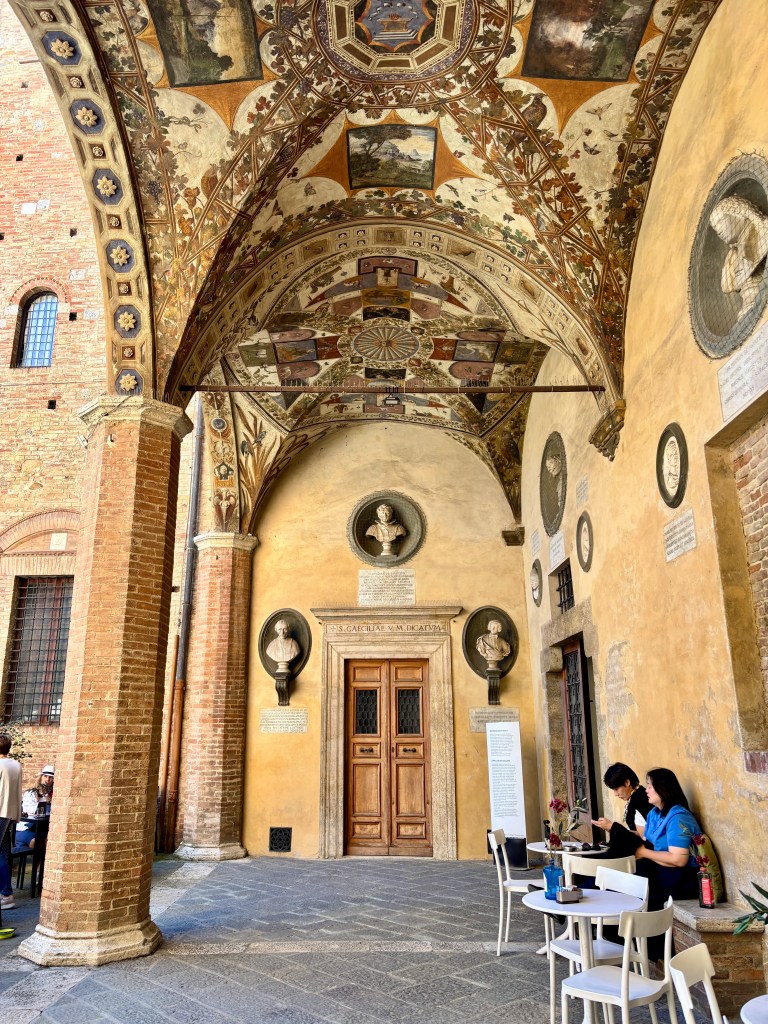
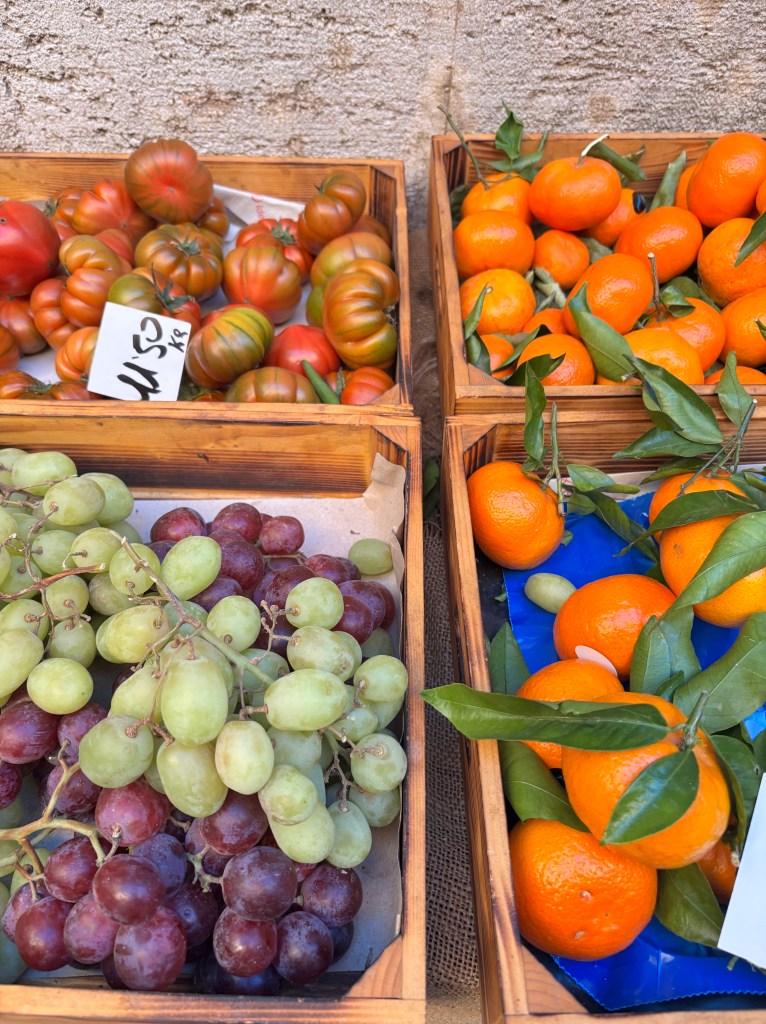
On my full day in Siena, I took a food tour for lunch. I was craving conversation and wanted to learn more about the history of the place. In Italy, there is no better way to make friends than through food and good conversation. Our guide was wonderful, born and raised in the city. Our stops included aperitivo, pici, espresso, and panforte.
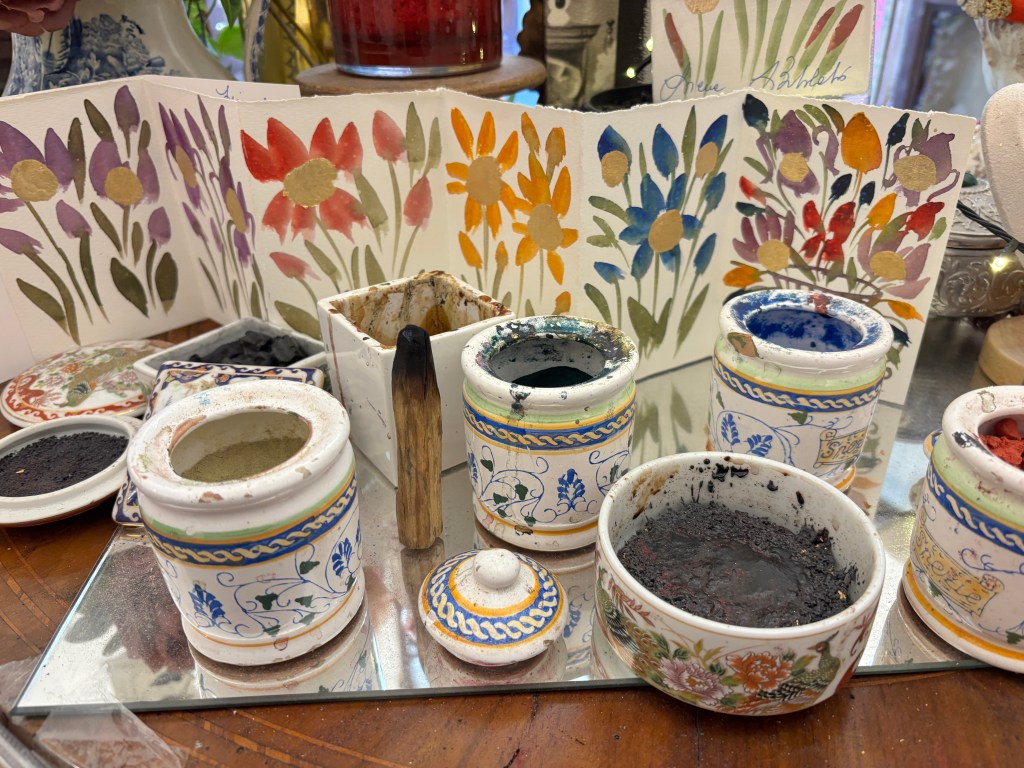
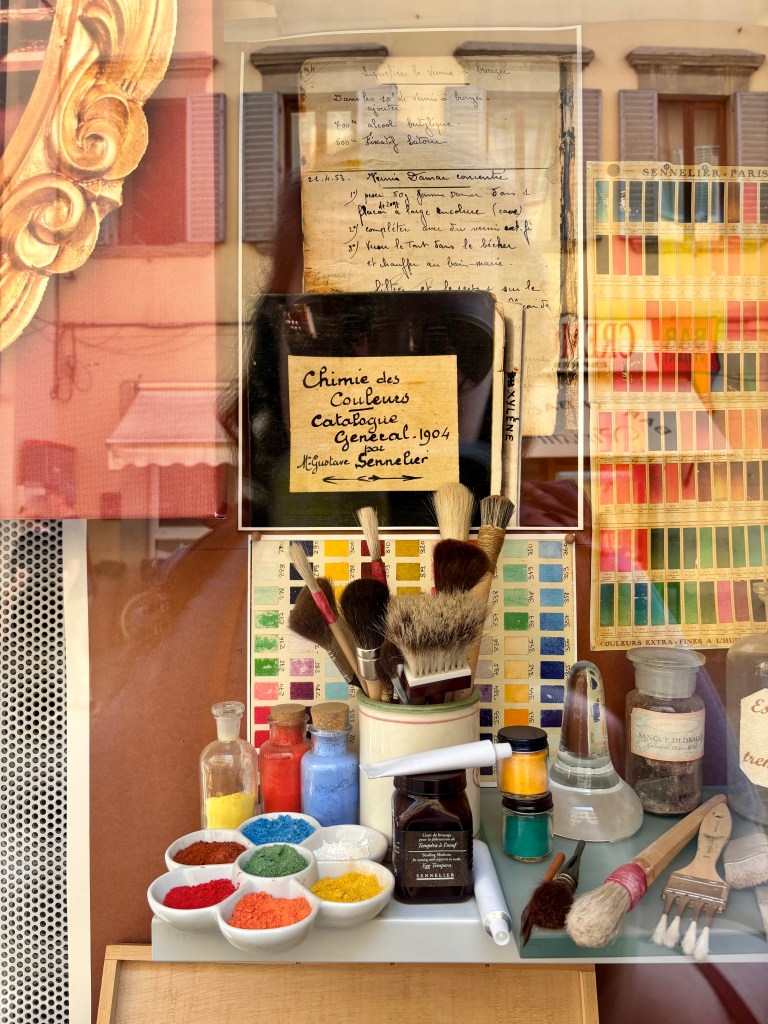
I spoke with a number of artists while in Siena. Working from natural materials is something that has recently interested me, just as artists once created colors and dyes from the earth. Spirulina, cinnamon, and rhubarb are a few examples.
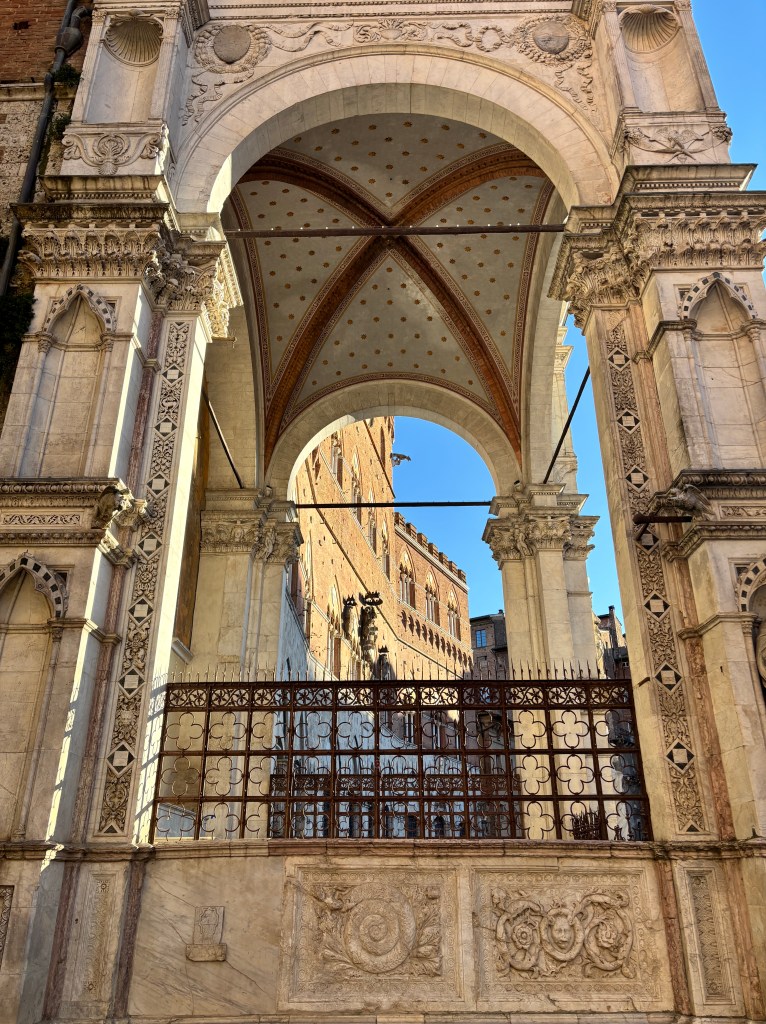
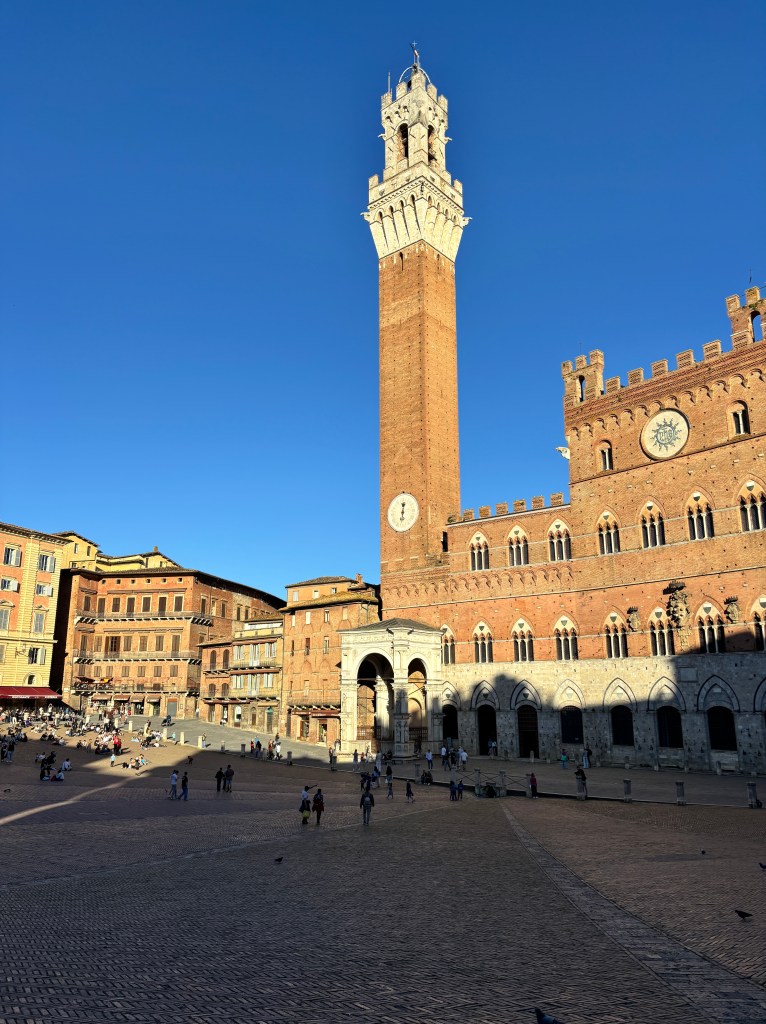
In the heart of the town lies the Piazza del Campo. A clamshell shape in form, this medieval square is uniquely divided into nine wedges, representing the “Council of Nine” who governed during the Medieval Ages. It was gorgeous to watch the late afternoon sun move across the square, the site of the bi-annual palio horserace. Sunset in Siena was special, and I was treated to a gorgeous show both nights from the balcony of my pensione.
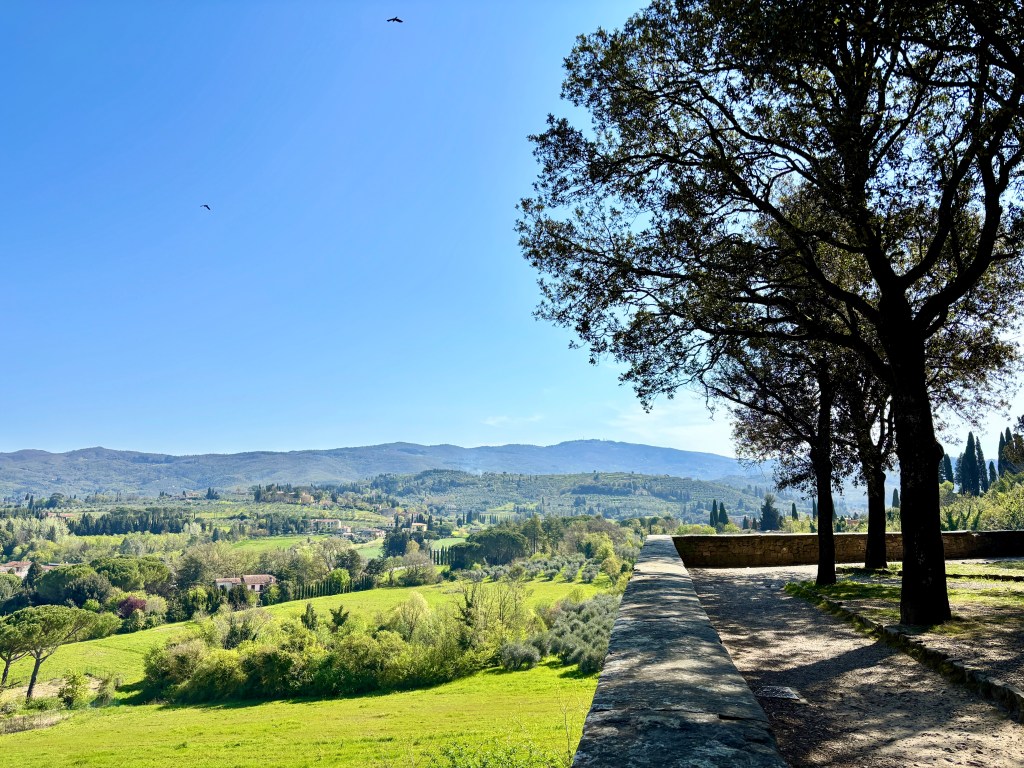
It was hard to say goodbye to Siena, but it was time to make my way to Arezzo. I took an intercity bus, enjoying the lush green April landscape, ripe with olive groves and cypress trees.
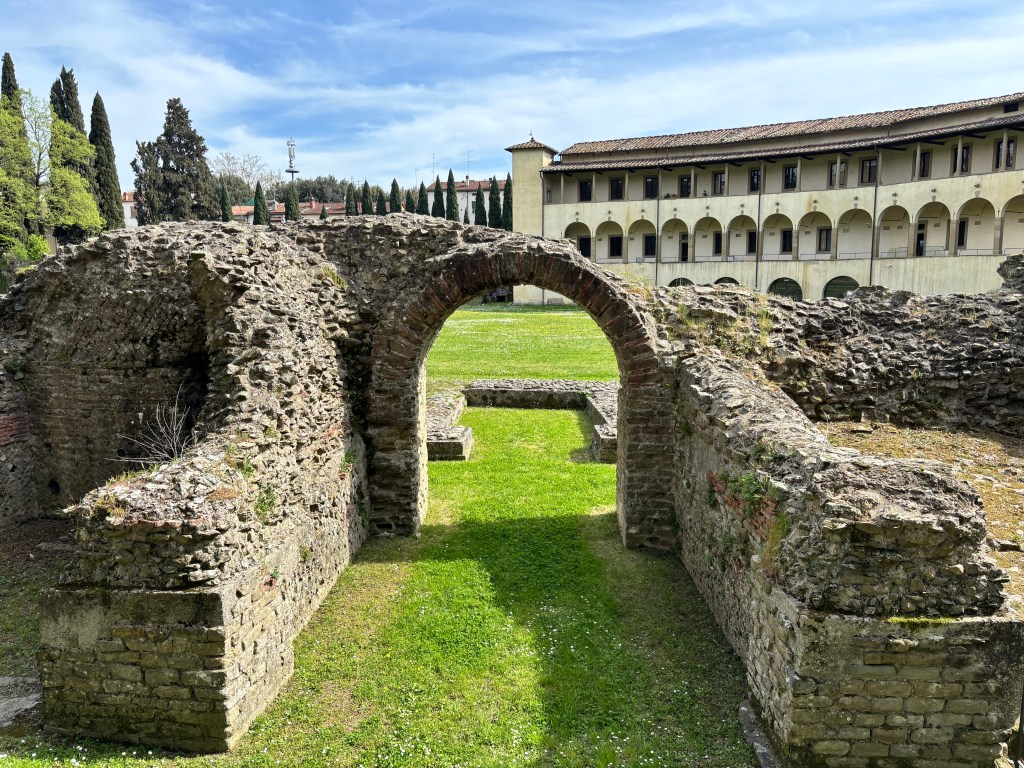
Arezzo’s roots are Etruscan and it was during this period that the first walls were built. The city rapidly transformed from a simple agricultural village into an important center for trade, later becoming part of the Roman Empire. Today it is known for its artistic heritage, in particular goldsmithing and jewelry.
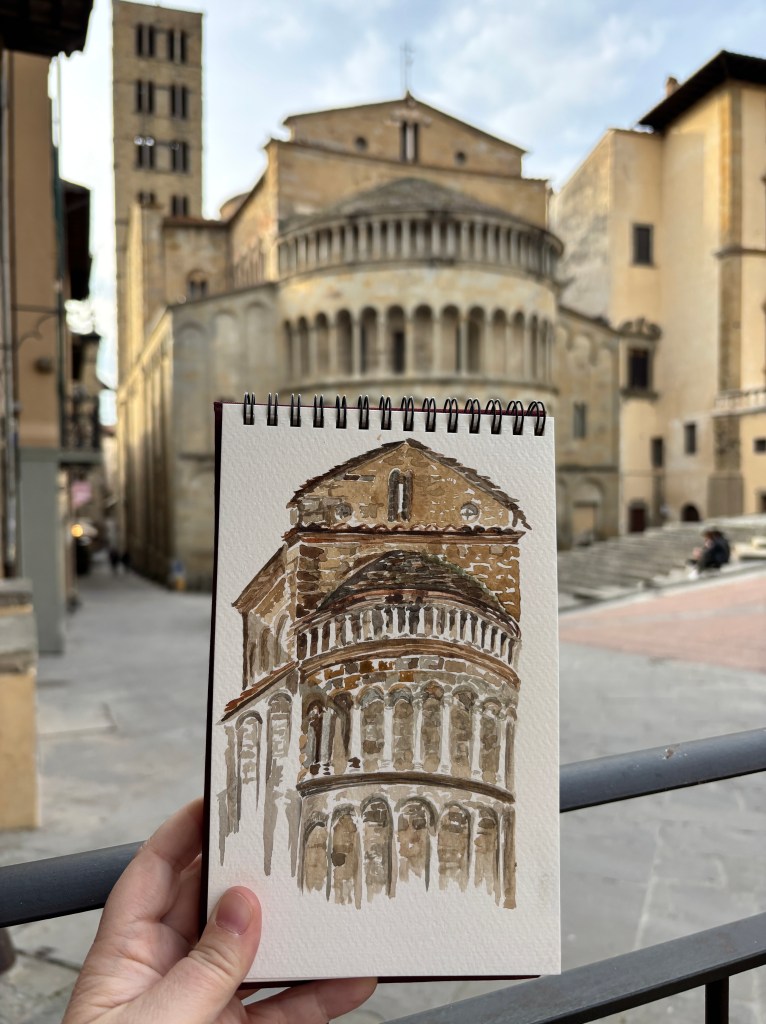
As Arezzo was unknown to me, I found a walking audio tour for purchase online, which let me explore at my own pace. With few tourists to be seen, I found myself in the company of a few school groups on history tours (bless their teachers).
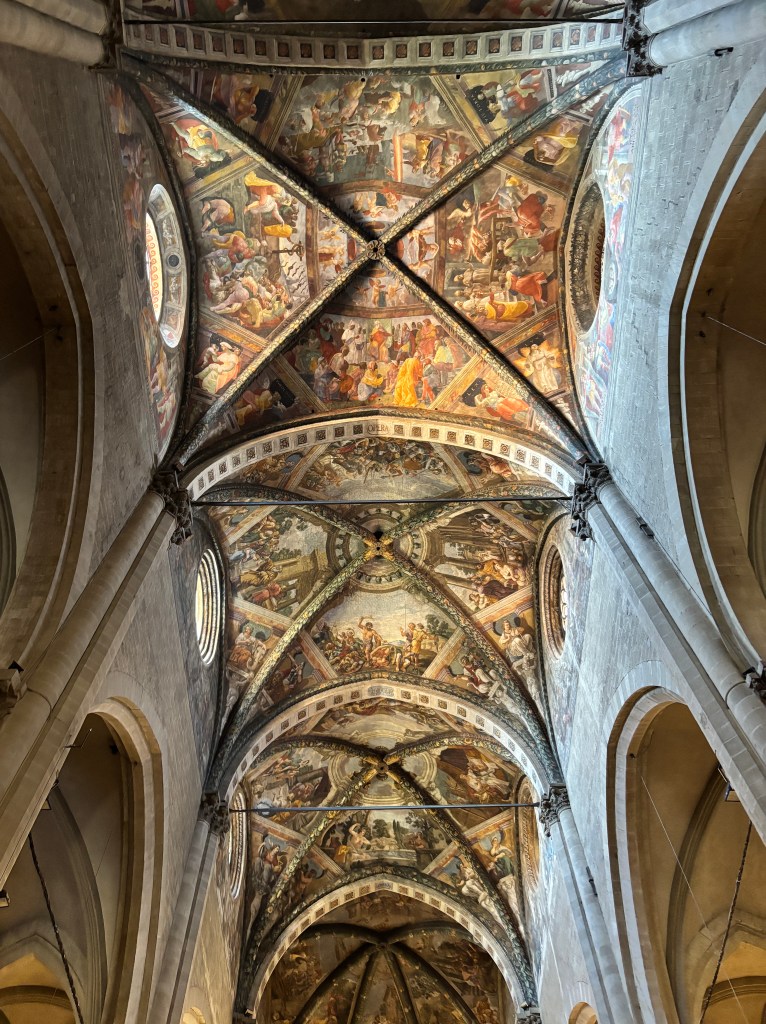
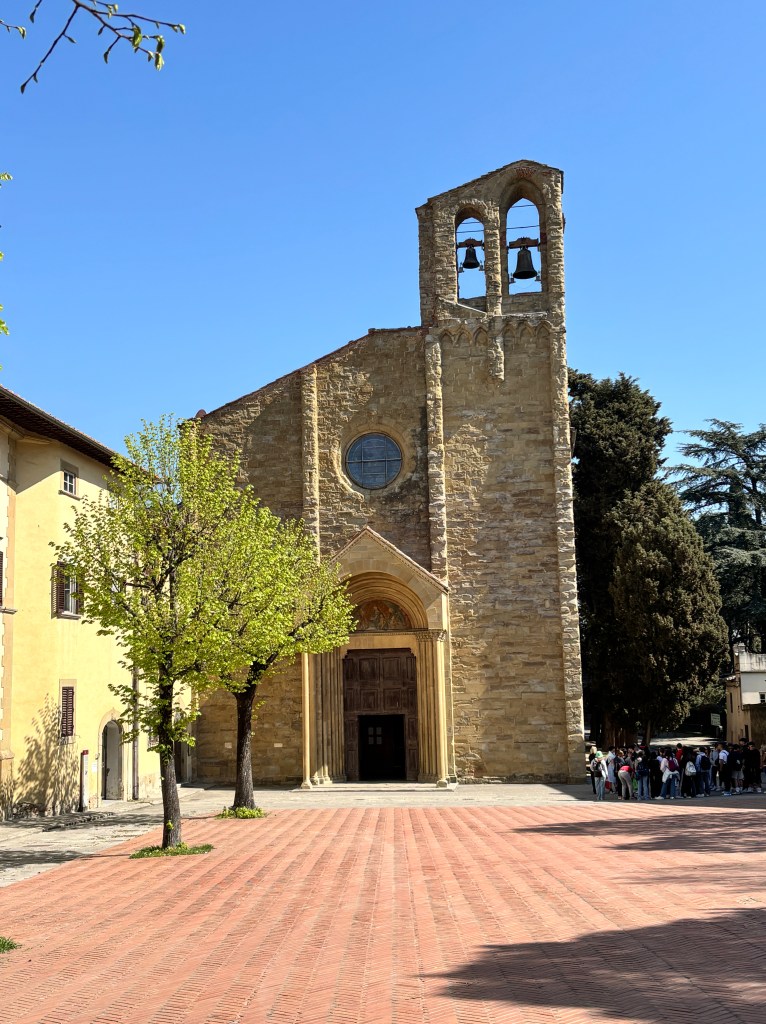
In 1276, Arezzo was the site of the first modern conclave. It was also home to Guido Monaco di Arezzo, the Benedictine monk who contributed to the origin of musical notation (Ut, re, mi, fa, sol, la).
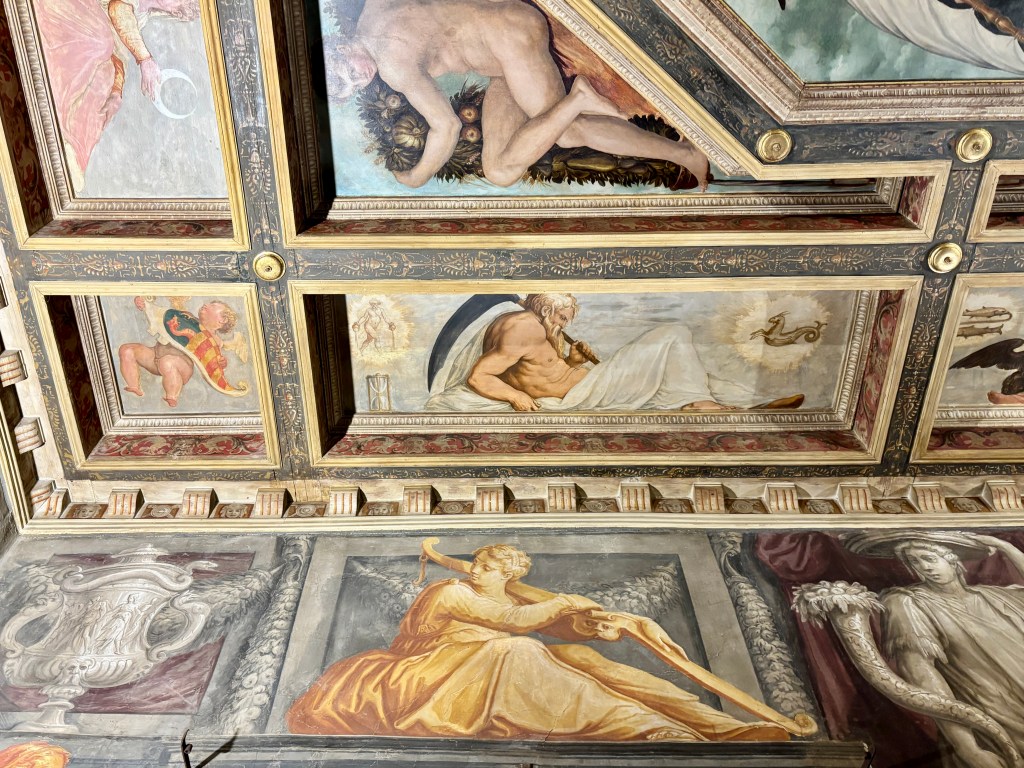
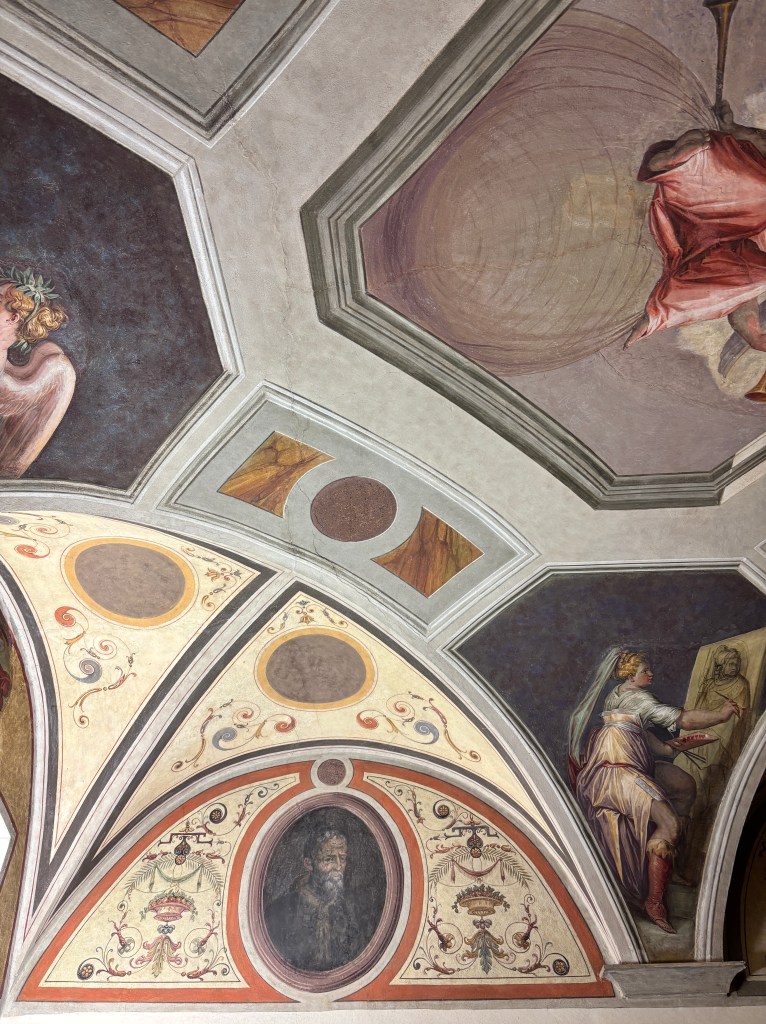
But it was the Vasari House Museum which proved the greatest highlight for me. Known as the first art historian, Giorgio Vasari was everywhere during the Renaissance. In fact, he coined the term itself (Rinascita). A darling of the Medici family, he was mentored by Michelangelo and designing the Uffizi Palace in Florence. His home in Arezzo was his refuge and he poured his heart and soul into the frescoes adorning the rooms of this modest casa. Coincidentally, I have been teaching Vasari’s work in my art history class. It was fantastic to see his practice with my own eyes.
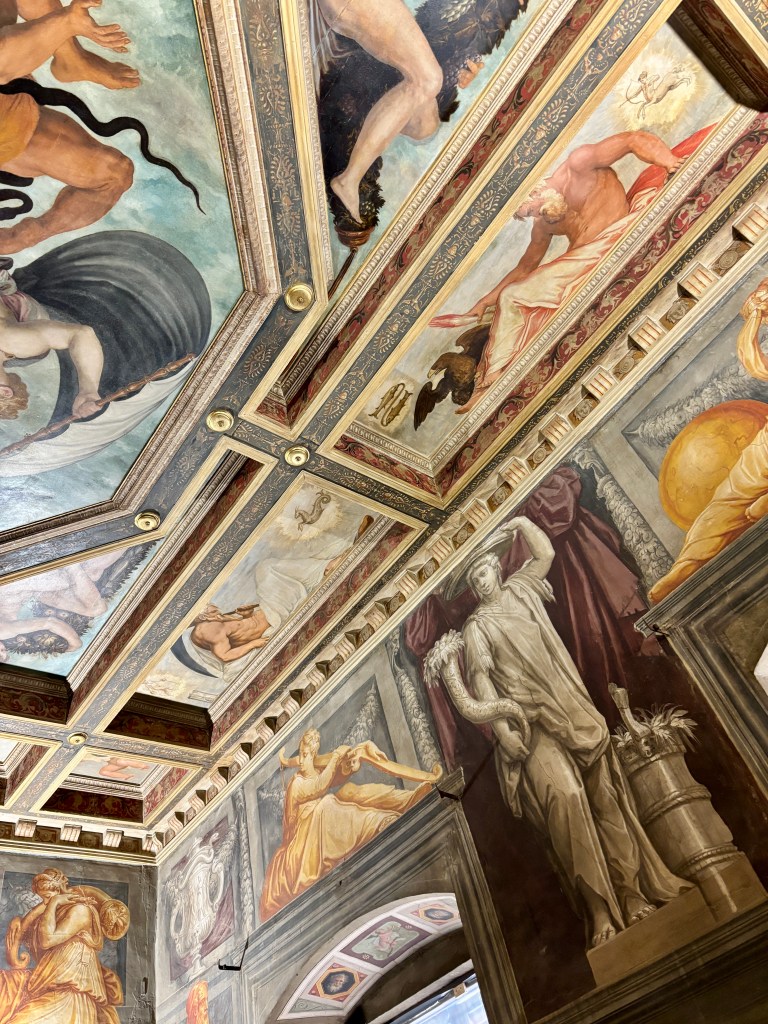
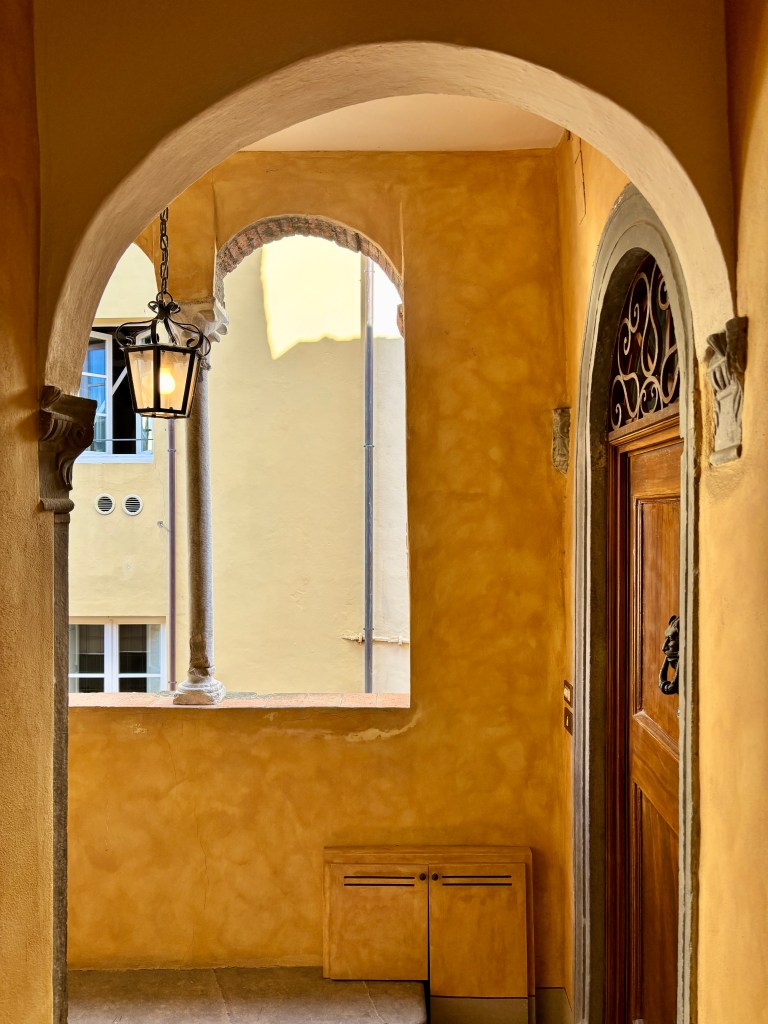
Arezzo is also famously the home of Roberto Benigni, Oscar award winning actor and director of Life is Beautiful. Scenes from the movie were filmed in Arezzo and I can see why. The town still retains it’s charm and small-town appeal. Every doorway is prettier than the last.
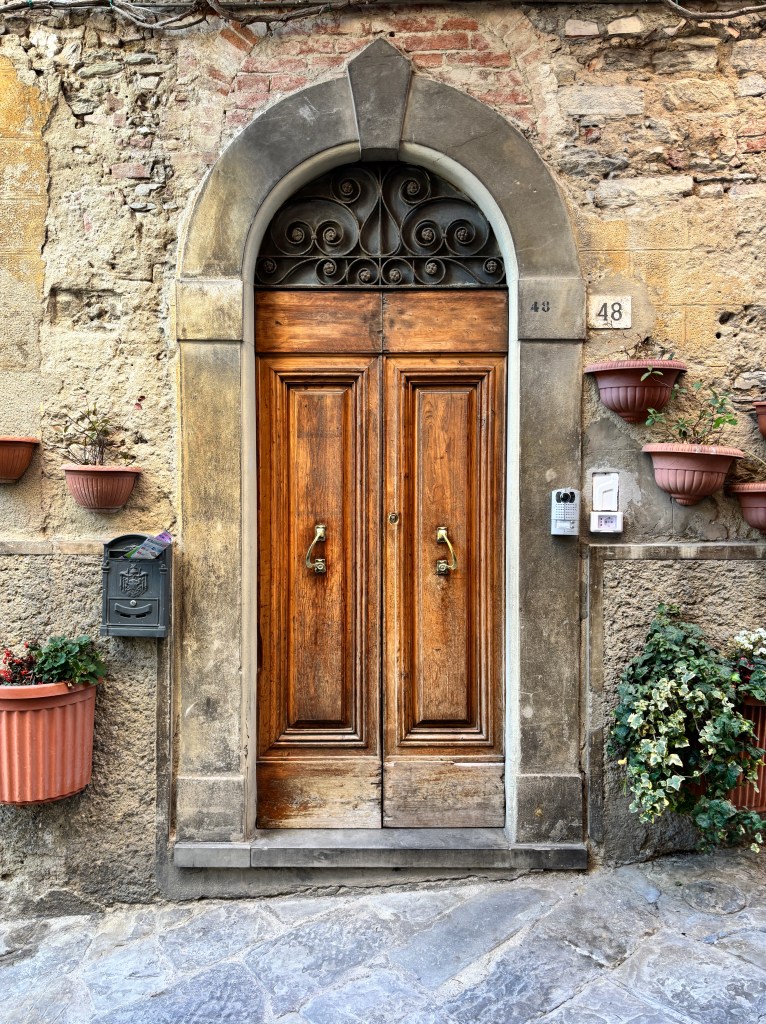
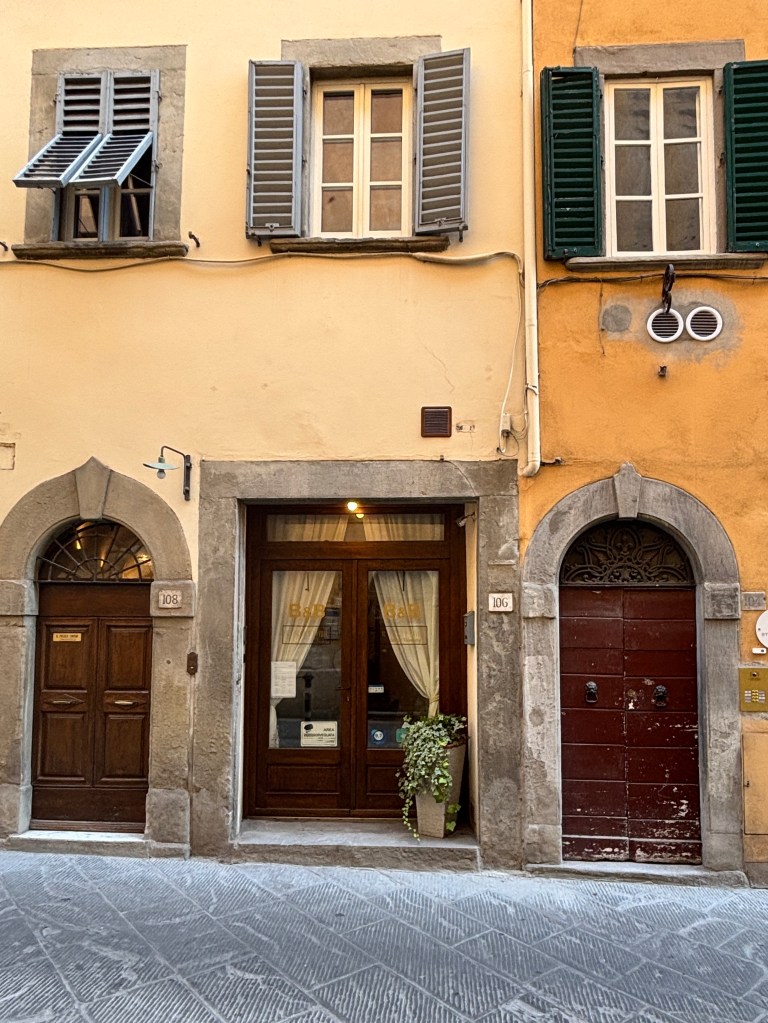
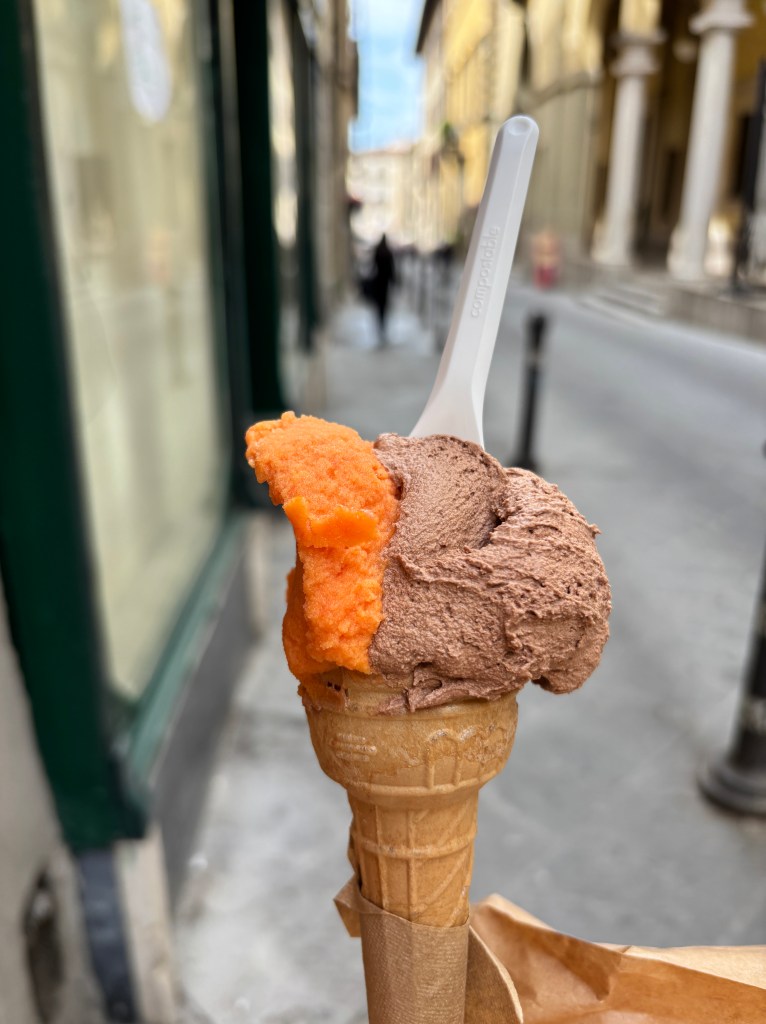
Arezzo was a very relaxed place to explore. It also seems to have a pretty cool art scene. Despite being early April, my days in Arezzo were quite warm. A stop for an arancia (orange) and milk chocolate gelato was icing on the cake.
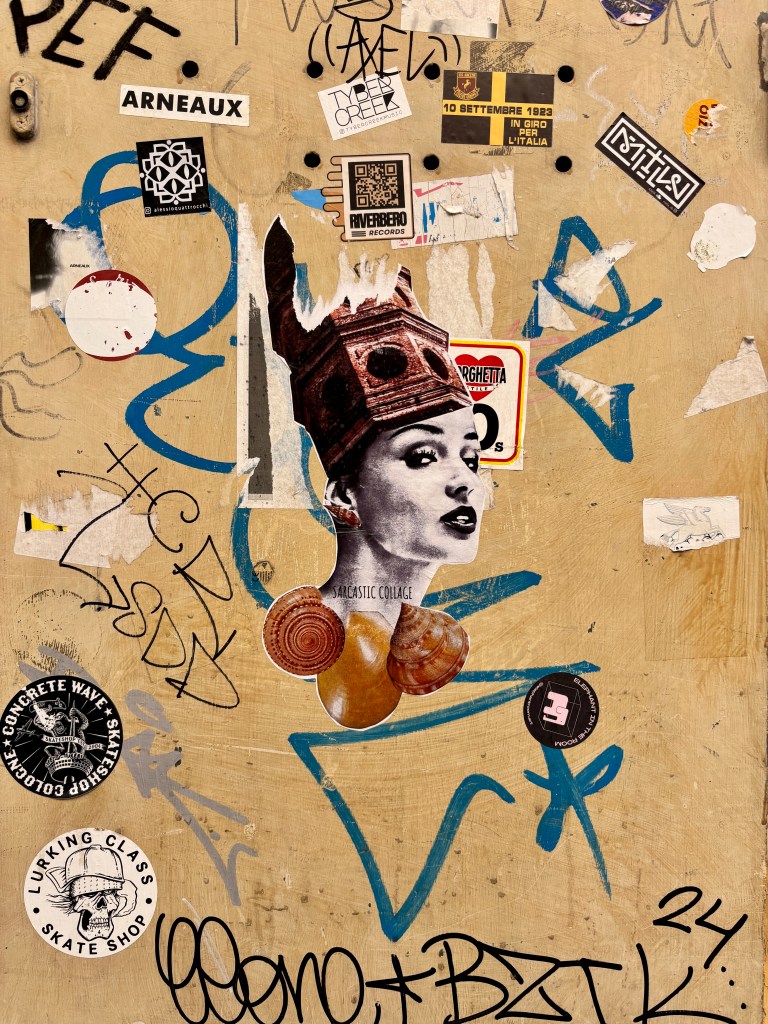
My time in Arezzo capped off a beautiful, relaxing week in Tuscany. Friendly, inviting, and relaxed, it’s a great region for a solo traveler or small groups. A return trip to the mosaic studios in Ravenna is next on my list. Any takers?
 SwissMissMeg
Leave a comment